


What Happens to a House Owned Before Marriage in a Texas Divorce?
What Happens to a House Owned Before Marriage in a Texas Divorce? Principal, Interest, Appreciation & Key Case Law
By John T. Wilson | Board Certified Family Law Attorney | Wilson Legal Group P.C.
You married in 2010. One of you already owned the house. Years later the marriage ends. Does the non-owning spouse get any ownership interest in the house? What about the principal paid down during the marriage, the interest, and all the appreciation that occurred while you were married?
Texas law is clear on ownership but more nuanced on reimbursement. The house remains the separate property of the premarital owner. Community funds used to reduce principal can support a reimbursement claim. Interest is generally treated differently. Passive appreciation stays separate. Capital improvements are measured by the enhancement they produce, not by cost.
This guide explains the rules and the controlling case law.
Does a House Owned Before Marriage Stay Separate Property?
Yes. Under the inception-of-title rule (Texas Family Code §§ 3.001 and 3.006), property owned or claimed before marriage is separate property. Its character is fixed when the right to own or claim it arose. Marriage does not convert it to community property.
Texas Family Code § 3.404 expressly preserves this rule. Reimbursement claims do not alter characterization and do not create an ownership interest in the property. The court cannot divide the house itself under the “just and right” standard of § 7.001.
Case Law Example: In DeSpain v. DeSpain, No. 03-23-00348-CV (Tex. App.—Austin Nov. 22, 2024), the Third Court of Appeals reversed a trial court that had treated a house acquired before marriage as community property. The court held that the property remained the husband’s separate property even though community funds were used for improvements, refinancing, and mortgage payments. Payments and improvements create potential reimbursement claims; they do not change title or characterization. The owning spouse must still prove separate character by clear and convincing evidence. The deed and closing documents usually establish this.
The "Inception of Title" Rule:
A house's character is fixed at the moment you acquire the right to own it—not by a specific calendar year. If a couple married in 2010, any house acquired before 2010 was acquired before the marriage, making the pre-2010 deed and closing documents the standard proof needed to establish separate property.
What Happens to Principal Payments Made with Community Funds?
Community funds used to reduce the principal balance of a mortgage on a separate-property house support a reimbursement claim by the community estate against the separate estate.
Under Texas Family Code § 3.402(c)(1), Claim for Reimbursement; Offsets, a benefit is conferred when one marital estate pays a debt, liability, or expense that in equity and good conscience should have been paid from the benefited estate. Section 3.402(d)(1) measures the benefit by the amount of the debt or expense paid, valued as of the commencement of trial.
Key consequences:
- The claim is for the principal reduction amount.
- It creates a monetary claim against the separate estate, not an ownership percentage (§ 3.404(b)).
- The claim matures on divorce and may be secured by an equitable lien under § 3.406.
- For a primary or secondary residence, the separate estate generally cannot offset the claim for the family’s use and enjoyment against community contributions (§ 3.402(g)(1)).
This is the classic and strongest reimbursement claim in the premarital-house scenario.
Are Interest, Taxes, and Insurance Reimbursable?
Generally no, or only in limited circumstances. While the post-2023 version of § 3.402 uses a broader unjust-enrichment standard, courts apply equitable principles (§ 3.402(e)–(f)), and § 3.409 excludes living expenses.
In practice, principal reduction is the clear capital benefit that builds equity. Interest, taxes, and insurance are more often treated as the cost of use. Interest is also referenced in the tax-benefit offset provision (§ 3.402(g)(3)), which allows the benefited estate to prove reductions in the conferring estate’s income-tax obligation from deducting interest and similar items.
Best practice is to document and claim principal reduction cleanly. Arguments for interest are more discretionary and subject to offsets or reduction.
Time, Toil, Talent, and Effort (Jensen Claims):
Texas Family Code § 3.402(c)(3) and (d)(3) recognize a claim when a spouse’s time, toil, talent, or effort enhances the value of separate property beyond what was reasonably necessary to manage and preserve it, and the community did not receive adequate compensation.
Case Law Example: In Jensen v. Jensen, 665 S.W.2d 107 (Tex. 1984), the Texas Supreme Court held that the community is entitled to reimbursement for the value of a spouse’s time, toil, and effort that enhanced separate property, less the compensation the community already received (salary, bonuses, dividends, and fringe benefits). The shares themselves remained separate property; only the uncompensated effort was reimbursable.
For a residence, pure market appreciation stays with the separate owner. Only principal reduction and measurable enhancement from improvements (or, less commonly, uncompensated effort) support a claim.
Practical Steps and Proof Required to Win a Reimbursement Claim in Texas
Winning a reimbursement claim in a Texas divorce is not automatic. Under Texas Family Code § 3.402(b), the spouse seeking reimbursement must prove three elements: that one marital estate conferred a benefit on another, the value of that benefit, and that the benefited estate will be unjustly enriched if it is not required to reimburse the conferring estate. Because these claims are equitable and highly fact-specific, the quality of the evidence—particularly tracing and valuation—often determines the outcome. The following steps help build a strong, well-supported claim.
A successful reimbursement claim requires proof under § 3.402(b) that:
- One marital estate conferred a benefit on another.
- The value of that benefit (amount of principal paid, or enhancement in value).
- Unjust enrichment will result if reimbursement is denied.
Recommended steps:
- Gather the premarital deed, closing documents, and full amortization history that separates principal from interest, taxes, and insurance.
- Trace community funds used for principal reduction or improvements.
- Obtain before-and-after appraisals quantifying enhancement attributable to community-funded improvements.
- Document the source of all payments.
- Evaluate any marital property agreements that may waive or modify reimbursement claims (§ 3.410).
Because these issues are highly fact-specific, the quality of tracing and valuation evidence often determines the outcome
High-Asset Divorces Can Make the Premarital Home Even More Complicated
In high-net-worth divorces, the house owned before marriage is often just one piece of a larger real-estate portfolio. The estate may also include:
- Vacation homes
- Rental properties
- Investment properties
- Ranches
- Commercial real estate
- Properties held through LLCs or partnerships
- Additional properties acquired before or during the marriage
Determining characterization, equity, debt, tax consequences, and separate-property interests across multiple properties frequently requires careful tracing, valuation, and analysis of reimbursement claims under Texas Family Code § 3.402. When community funds have reduced principal or funded improvements on several assets, the reimbursement picture can become substantially more complex.
Wilson Legal Group’s family law attorneys regularly handle high-asset property division cases involving premarital real estate, multi-property portfolios, and sophisticated tracing and reimbursement issues.
Frequently Asked Questions on Reimbursement Claims in Texas
Does the house become community property if we paid the mortgage together?
No. Paying the mortgage with community funds does not convert the house to community property. It may create a reimbursement claim for principal reduction. See DeSpain v. DeSpain (2024).
Can my spouse claim a percentage of the appreciation?
No. Passive market appreciation stays separate. The community’s claim is limited to reimbursement for principal paid and the enhancement in value from improvements (Anderson v. Gilliland).
Is interest on the mortgage reimbursable?
Generally no. Interest is typically treated as a cost of use rather than a capital benefit that builds equity. The strongest claim is for principal reduction.
What if we made major renovations during the marriage?
Community-funded capital improvements that increase the value of the house support a reimbursement claim measured by the enhancement in value (not the cost). Anderson v. Gilliland and Marin v. Marin confirm this standard.
Does living in the house reduce the reimbursement claim?
For a primary or secondary residence, the separate estate generally cannot offset the community’s contributions by the value of the family’s use and enjoyment (§ 3.402(g)(1)).
How is a reimbursement claim enforced?
It is an equitable claim that matures on divorce. The court may impose an equitable lien on the separate property to secure it and will account for it in the overall just-and-right division of the community estate.
Can my spouse force me to sell my house if I owned it before marriage?
No. A Texas court cannot order the sale of a spouse’s separate property simply to divide the proceeds with the other spouse. The house remains the premarital owner’s separate property under the inception-of-title rule. However, if the community estate has a valid reimbursement claim (for principal reduction or improvements), the court may impose an equitable lien on the house under Texas Family Code § 3.406 to secure payment of that claim. The lien does not transfer ownership, but it can affect the owner’s ability to sell or refinance until the claim is satisfied.
What happens if I add my spouse’s name to the deed during the marriage?
Adding your spouse to the deed is generally treated as a gift of a one-half interest. Under Texas law, a gift is the recipient’s separate property. Once the deed is changed, your spouse typically owns a one-half undivided separate-property interest in the house. At divorce, that half is confirmed as their separate property and is not subject to division. This is one of the few actions that can actually change the character of a premarital house from solely separate property to jointly held separate property. A formal marital property agreement can avoid or clarify this result.
Does refinancing the house during marriage turn it into community property?
No. Refinancing a separate-property house during marriage does not convert the house into community property. The character of the property is fixed by the inception-of-title rule at the time the original right to the property arose. Refinancing may create a new debt and can affect reimbursement calculations if community funds are used to pay the new loan or if proceeds are used for improvements, but the house itself remains the separate property of the original owner (absent a deed change or valid agreement converting it). Courts consistently hold that refinancing and community mortgage payments create potential reimbursement claims, not a change in ownership.
Need Help Evaluating a Premarital House, Reimbursement Claim, or Property Division in a Texas Divorce?
Wilson Legal Group regularly advises clients on the characterization of houses owned before marriage, community reimbursement claims under Texas Family Code § 3.402, principal reduction versus interest, enhancement from improvements, and the treatment of appreciation. If you are facing divorce and need clear guidance on what happens to the principal paid down during the marriage, interest, market appreciation, or potential equitable liens on a separate-property home—contact us to schedule a consultation.
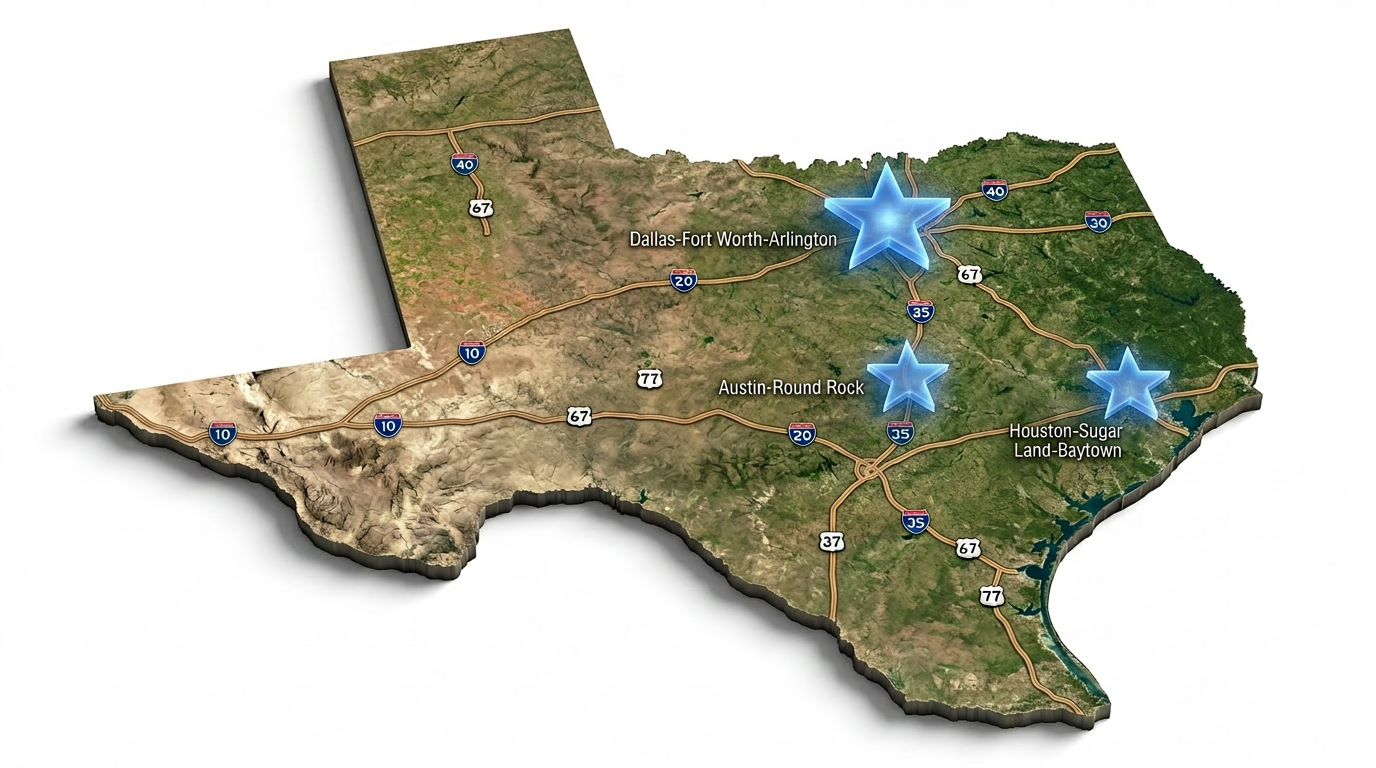
Wilson Legal Group P.C. – Board Certified Family Law Attorneys Serving Dallas, Houston, and Austin
Contact Us or Call 972-248-8080 for a Free Consultation!
email info@wilsonlegalgroup.com
Serving clients statewide with practical, results-oriented representation in Dallas, Houston, Austin, and across Texas.








Have an idea for a blog? Click and request a blog and we will let you know when we post it!