

When Advertising Alone Isn’t Enough: USPTO Use in Commerce Rules for Service Marks
When Advertising Alone Isn’t Enough: USPTO Use in Commerce Rules for Service Marks
Many founders and service businesses begin building brand awareness long before they open their doors. They circulate pitch materials, create websites, send emails from branded addresses, and meet with potential clients or investors. These steps feel like “use” of a trademark. Under USPTO rules, however, they often fall short of the legal standard required for a use-based trademark application.
What the USPTO Requires for Service Mark Use in Commerce
Section 45 of the Lanham Act (15 U.S.C. § 1127) defines “use in commerce” for services as the bona fide use of a mark in the ordinary course of trade when:
- The mark is used or displayed in the sale or advertising of the services, and
- The services are actually rendered in commerce.
Both elements must be satisfied. Advertising or announcing services that have not yet been provided does not meet the second requirement. The Trademark Manual of Examining Procedure (TMEP) § 1301.03 confirms that an announcement of future services, or preparatory activities alone, is insufficient.
Preparatory Activities That Typically Do Not Qualify As Trademark Use
The following activities, standing alone, generally do not establish use in commerce for a service mark:
- Circulating confidential pitch decks or investor teasers for a proposed platform or fund.
- Building financial models, prototypes, or business plans.
- Creating a website or email domain that announces services to be offered once capital is raised.
- Conducting investor or client meetings to evaluate interest.
- Using the mark in correspondence while fundraising or preparing to launch.
- Forming an entity or registering domains without actually providing the services.
These steps may demonstrate planning and even a bona fide intent to use the mark later. They do not, however, satisfy the requirement that the services have been rendered in commerce.
Key Federal Circuit Decisions
Aycock Engineering, Inc. v. Airflite, Inc.
In Aycock Engineering, Inc. v. Airflite, Inc., 560 F.3d 1350 (Fed. Cir. 2009), a company built a network of providers, entered contracts, and advertised its readiness to arrange flights. It never actually arranged a flight or offered the service publicly to customers. The Federal Circuit held that these preparatory steps did not constitute use in commerce. The registration was void.
Couture v. Playdom, Inc.
In Couture v. Playdom, Inc., 778 F.3d 1379 (Fed. Cir. 2015), a website stated that the company was “proud to offer” certain services and provided contact information. No services were actually rendered until years later. The court again found that mere advertising without actual rendering of services was not use in commerce.
Both Aycock Engineering and Couture v. Playdom hold that preparatory steps and mere advertising of services do not qualify as trademark “use in commerce” unless the services are actually rendered to customers.
Use-Based (1(a)) vs. Intent-to-Use (1(b)) Applications
Businesses that have not yet rendered services should file on an intent-to-use basis under Section 1(b). An ITU application allows an applicant to reserve a priority date while it prepares to launch. Once the services are actually rendered, the applicant files a Statement of Use with a proper specimen showing the mark in connection with the services.
Filing a use-based application under Section 1(a) when services have not been rendered creates risk. If the USPTO determines that use was not established as of the filing date, the application can be refused or, if it proceeds to registration, later challenged as void ab initio.
Brand Activities That Typically Qualify as Trademark Use
The following activities generally do establish use in commerce for a service mark when they show the mark in connection with services that have actually been rendered:
- Providing the services to real customers or clients under the mark (for example, delivering consulting, management, development, or advisory work).
- Invoices, contracts, or engagement letters that display the mark and reflect completed or ongoing services.
- An operational website or client portal that shows the mark while customers can access or receive the services.
- Marketing materials used in connection with services that are actively being offered and performed, not merely announced for the future.
- Correspondence or proposals that lead to, and are followed by, actual performance of the services under the mark.
The key distinction is whether the services have moved beyond preparation and announcement into actual performance in commerce.
Practical Takeaways for Business Owners Filing Trademarks
- Document the date you first actually rendered the services under the mark and retain specimens (invoices, contracts, customer-facing materials showing the mark, screenshots of an operational website, etc.).
- If you are still in the planning or fundraising stage, consider an intent-to-use filing to secure priority.
- Advertising materials alone are not specimens of use for services.
- Common-law rights also generally require actual use in commerce; preparatory use rarely creates enforceable priority against a later federal filer who has used the mark properly.
Understanding the difference between preparing to offer services and actually rendering them helps founders avoid costly mistakes and build a stronger foundation for brand protection.
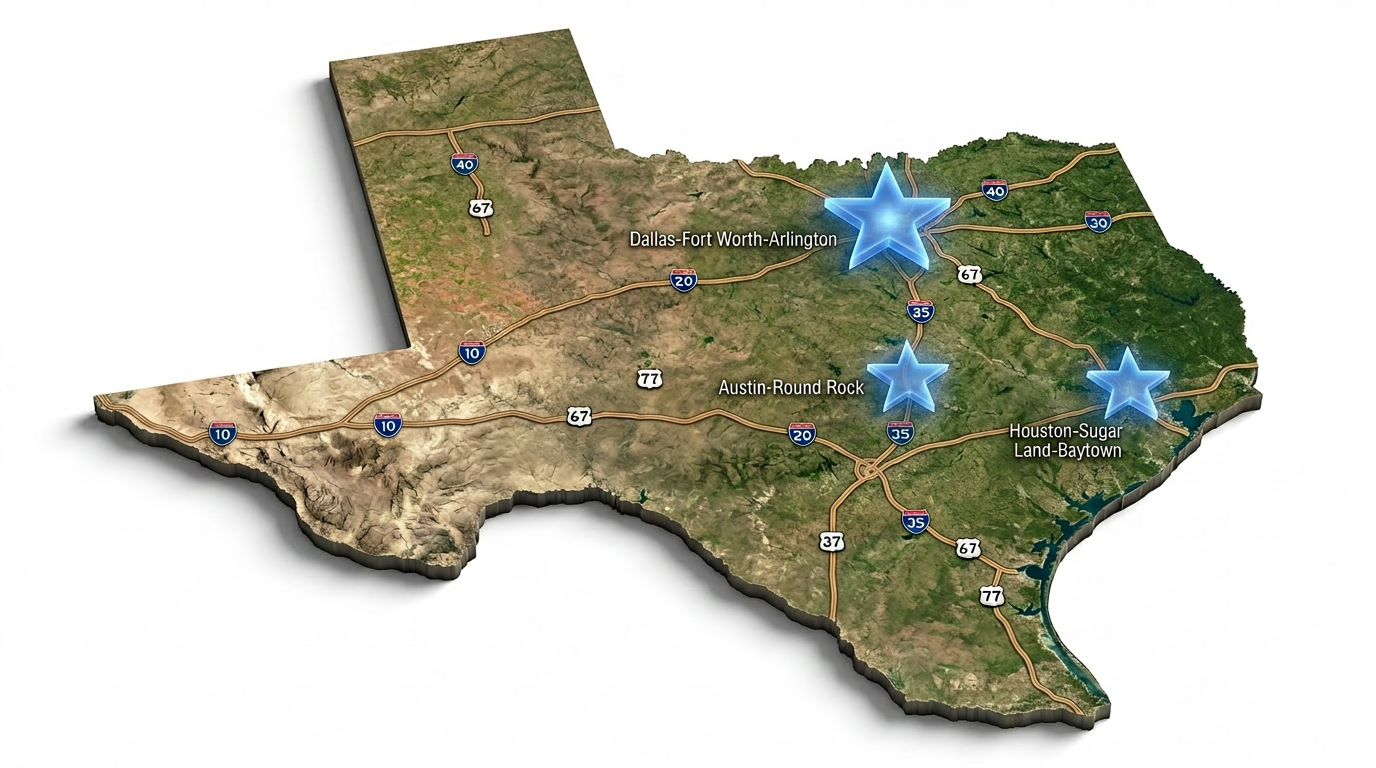
If you are evaluating whether your current activities meet USPTO use-in-commerce standards, or deciding between a use-based and intent-to-use filing, the trademark attorneys at Wilson Whitaker Rynell can review your situation and advise on the most appropriate path. Contact our Dallas, Houston, or Austin offices to discuss your brand.
Frequently Asked Questions
What does “use in commerce” mean for a service mark under USPTO rules?
Use in commerce requires both that the mark is used or displayed in the sale or advertising of the services and that the services are actually rendered in commerce. Advertising or announcing future services alone does not meet the standard.
Do pitch decks, investor materials, or fundraising emails count as trademark use?
No. Circulating confidential pitch materials, financial models, or emails about a proposed platform generally counts as preparatory activity. These steps do not qualify as use in commerce if the services have not actually been provided to customers or clients.
Can I rely on a website that says we “offer” or are “proud to offer” services?
No. A website that announces services and provides contact information is not enough if the services have not yet been rendered. The Federal Circuit has held that this type of advertising does not establish use in commerce.
What is the difference between a use-based (1(a)) and an intent-to-use (1(b)) application?
A 1(a) application requires that you have already used the mark in commerce as of the filing date. A 1(b) intent-to-use application lets you file before you have rendered the services, securing a priority date while you prepare to launch. You later file a Statement of Use once the services are actually provided.
What happens if I file a use-based application before I have actually rendered the services?
The USPTO may refuse the application. If the registration issues and it is later shown that use had not occurred by the filing date, the registration can be challenged and held void.
What kinds of evidence or specimens show actual use of a service mark?
Acceptable specimens typically include invoices, contracts, customer-facing proposals, screenshots of an operational website showing the mark in connection with the services being offered and provided, or other materials that demonstrate the services were actually rendered under the mark.
Do common-law trademark rights require the same type of use as a federal application?
Yes. Common-law rights generally arise only from actual use of the mark in commerce in connection with the services. Preparatory activities alone rarely create enforceable priority against a later federal filer who has properly used the mark.
When should a business consider filing an intent-to-use application?
An intent-to-use filing is appropriate when you have a bona fide intention to use the mark but have not yet begun rendering the services. It is commonly used by startups and service businesses still in the planning, fundraising, or pre-launch stage.
Need Help Determining Whether Your
Brand Activities Qualify as Trademark Use?
Wilson Whitaker Rynell regularly advises business owners and founders on USPTO trademark use-in-commerce requirements, use-based versus intent-to-use filings, specimen issues, and related office actions. If you are preparing to file, responding to a refusal, or unsure whether your current activities establish actual use of a service mark, contact us today to schedule a consultation and protect your brand rights before filing.
Wilson Whitaker Rynell – Experienced Texas Trademark & IP Attorneys
Contact Us or Call 972-248-8080 for a Free Consultation!
email info@wilsonlegalgroup.com
Serving clients statewide with practical, results-oriented representation.







Have an idea for a blog? Click and request a blog and we will let you know when we post it!