


Winding Up a Parent Holding Company in Texas
How to Dissolve a Parent Company in Texas: A Guide for Business Owners
If you're a Texas business owner thinking about dissolving a parent company—especially one with subsidiaries—you might be wondering how to do it without disrupting operations or creating legal headaches. Many owners want to simplify their structure, like flattening a holding company so subsidiary ownership passes directly to individuals, while keeping the operating business intact. Closing a business is one of the toughest decisions any entrepreneur will face. In Texas, voluntarily winding up and dissolving a company requires careful attention to a series of legal steps to stay compliant with state laws and properly settle all obligations. Whether you're retiring, shifting focus to a new opportunity, or simply ready to move on, knowing the process inside and out can save you time, money, and stress.
At Wilson Whitaker Rynell, our Texas business attorneys help clients navigate parent company dissolutions every day. We handle everything from creditor negotiations to shareholder disputes, ensuring a smooth process. This updated 2025 guide explains the key legal principles, step-by-step requirements, and common challenges under Texas law.
Why Dissolving a Parent Company Is Different When Subsidiaries Are Involved
Texas law treats parent and subsidiary companies as separate legal entities, even if the parent owns 100% of the subsidiary and controls its operations.
As one Texas court put it: “The separate entity of corporations will be observed by the courts even when one company dominates or controls, or even treats another company as a mere department, instrumentality, or agency.” — In re U-Haul Intern., Inc., 87 S.W.3d 653 (Tex. App.—San Antonio 2002)
Key takeaway: Dissolving the parent does not automatically dissolve the subsidiary. The subsidiary continues running with its own contracts, employees, bank accounts, and liabilities. However, the subsidiary's stock or membership interests are an asset of the parent. During dissolution:
- Parent company creditors must be paid first.
- Any remaining assets, including subsidiary ownership, are distributed to the parent's shareholders or members.
Texas law states:
“After paying or discharging all its obligations, the corporation shall then distribute the remainder of its assets… among its shareholders according to their respective rights and interests.”
— Tex. Bus. Org. Code § 21.457
This often means subsidiary shares transfer directly to the parent's owners, achieving a "flattened" structure.
What Does Business Dissolution Really Mean?
Business dissolution is the official process of shutting down a company and terminating its legal existence. It involves:
- Stopping day-to-day operations
- Paying off debts and obligations
- Selling or distributing remaining assets
- Canceling contracts and licenses
- Filing final paperwork with the Texas Secretary of State
Dissolution can be voluntary (initiated by the owners) or involuntary (forced by creditors, court order, or failure to meet state requirements). Either way, completing it correctly brings final closure to the business and its responsibilities, protecting owners from future liability when done right.
Shareholder and Member Rights in a Solvent Dissolution
When the parent company is solvent and dissolution is for simplification (not insolvency), Texas courts prioritize fair treatment.
The winding-up directors or board must ensure a “just and equitable distribution” to shareholders after creditors: “The last board of directors of a dissolved corporation is charged with… the duty to make a just and equitable distribution of assets to the creditors first and then to the stockholders.” — Henry I. Siegel Co. v. Holliday, 663 S.W.2d 824 (Tex. 1984)
This principle allows flexibility—rigid liquidation preferences in charters may not fully apply if the company is valued as a going concern. Common shareholders can often receive value even if preferred shares have preferences.
Deadlock Challenges in Parent-Subsidiary Structures
If the parent's owners are deadlocked, the company can't approve dissolution or major actions like selling subsidiary interests. Texas requires proper approvals under governing documents and the Business Organizations Code. In deadlock cases, options include judicial intervention, appointing a receiver, or using deadlock-breaking provisions.
Why Deadlock Blocks Dissolution
In a parent-subsidiary setup, the subsidiary remains separate and operational, but its stock or membership interests are treated as an asset of the parent. To dissolve the parent and transfer those interests directly to individuals (a common "flattening" goal), the parent must first approve the dissolution plan. If owners are evenly split—say, two 50% shareholders or members disagreeing on whether to dissolve, how to value the subsidiary, or how to distribute interests—no valid action can occur. The deadlocked parent lacks authority to act on behalf of or impact the subsidiary beyond routine operations.
Deadlock-Breaking Provisions in Governing Documents
The best defense is prevention: Well-drafted company agreements (for LLCs) or bylaws/shareholder agreements (for corporations) often include built-in mechanisms to resolve impasses, such as:
- Buy-sell (shotgun) provisions — One owner offers to buy out the other at a set price; the recipient can accept or reverse the offer and buy instead.
- Tie-breakers — Referral to a neutral third party (e.g., arbitrator, mediator, or industry expert) for binding decisions.
- Mediation/arbitration clauses — Mandatory alternative dispute resolution before litigation.
- Put/call options — Rights for one party to force a sale or purchase under predefined terms.
These provisions allow owners to break deadlock privately and efficiently, often preserving the business or enabling a clean exit.
Judicial Remedies When No Provisions Exist
If the governing documents lack deadlock-breakers, owners may need court intervention under the TBOC:
- Appointment of a rehabilitative receiver (TBOC § 11.404) — A court can appoint a receiver to manage and attempt to rehabilitate the company if deadlock is causing irreparable harm (e.g., the governing persons are deadlocked, owners can't resolve it, and injury to the entity is threatened). This is often a first step for corporations.
- Appointment of a liquidating receiver (TBOC § 11.405) — If rehabilitation fails or circumstances demand it, the court may order liquidation, including sale of assets like subsidiary interests.
- Judicial dissolution — For LLCs, courts can dissolve if it's "not reasonably practicable" to continue in conformity with the company agreement (TBOC § 11.314), often due to unresolvable deadlock. For corporations, similar grounds apply through receivership leading to termination.
Courts prefer less drastic remedies first (e.g., buyouts or custodians) and will only order full dissolution or liquidation if other options are inadequate.
Deadlocks can stall dissolution for months or years, leading to lost opportunities, wasted assets, or forced sales at unfavorable prices. At Wilson Whitaker Rynell, we've helped many Texas business owners navigate these issues—drafting proactive agreements, negotiating resolutions, or pursuing court remedies when necessary. Early planning avoids most problems, but if you're facing a deadlock now, professional guidance is essential to protect your interests and achieve a fair outcome.
Step-by-Step Checklist to Dissolve a Texas Parent Company in 2025
Dissolving a parent company in Texas—whether it's a corporation or LLC—requires following a structured process under the Texas Business Organizations Code to ensure everything is handled legally and efficiently. This is especially important when subsidiaries are involved, as their ownership interests will typically transfer to the parent's shareholders or members after debts are settled. Getting each step right helps avoid delays, penalties, or disputes. Below is a clear, actionable checklist for 2025 (note: filing fees and forms remain consistent as of late 2025).
Obtain Internal Approvals
- Board or managers adopt a plan of dissolution.
- Secure shareholder/member vote (typically 2/3 for corporations, unless documents specify otherwise; LLCs follow company agreement or Tex. Bus. Org. Code § 101.552).
File Certificate of Termination with Texas Secretary of State
- Use Form 651 (for most entities, including LLCs and corporations).
- Filing fee: $40 (as of 2025).
- Include Certificate of Account Status from Texas Comptroller showing all taxes paid.
Notify Creditors and Settle Claims
- Send written notice to known creditors.
- Allow 120 days for claims; reject invalid ones or provide security.
Obtain Tax Clearance and File Final Reports
- File final franchise tax report.
- Request Certificate of Account Status (Form 05-359 from Comptroller).
- This is required before SOS accepts termination.
Distribute Remaining Assets
- Pay creditors first.
- Distribute subsidiary stock/membership interests (or sale proceeds) equitably to parent's owners.
File Final Federal Tax Return
- Mark as "final" (Form 1120 for corporations, Form 1065 for LLCs, etc.).
FAQ - FREQUENTLY ASKED CORPORATE DISSOLUTION QUESTIONS
Can a Texas parent company dissolve if it is currently involved in litigation?
Yes, but the dissolution process becomes more complicated. The parent must still provide for all liabilities—including pending lawsuits—before it can legally distribute assets. This often requires setting aside reserves or obtaining creditor agreements. Failure to do so can invalidate the dissolution or expose directors to personal liability.
Does dissolving the parent company affect the subsidiary’s contracts or vendor agreements?
No. Because the subsidiary remains a separate legal entity, its contracts continue uninterrupted. However, if the parent provided guarantees, management services, or shared resources, you may need to amend contracts or create new agreements for the subsidiary to operate independently.
How is the value of the subsidiary determined when distributing ownership after dissolution?
Texas law doesn’t mandate a specific valuation method, but directors or managers must act in a “just and equitable” manner. Most companies use a credentialed business valuation expert who applies accepted methods such as income approach, market comparison, or asset-based valuation. A flawed valuation can spark shareholder challenges.
What happens if the parent company owes taxes at the time of dissolution?
The Texas Comptroller will not grant tax clearance until all franchise taxes, penalties, and interest are paid. For federal tax issues, the IRS may pursue the parent’s former officers or responsible persons if taxes were withheld or unpaid. Dissolution does not eliminate pre-existing tax obligations.
Can owners restructure the subsidiary’s ownership instead of directly distributing shares?
Yes. Owners may choose alternatives such as transferring the subsidiary to a new holding company, executing a redemption agreement, or reallocating ownership percentages under a negotiated plan. These strategies can reduce tax exposure, protect creditor rights, or achieve more balanced ownership outcomes.
Is judicial dissolution ever required to unwind a parent company in Texas?
Sometimes. If the parent’s owners are deadlocked, if managers are acting oppressively, or if it becomes impracticable to operate under existing governance, a court can order dissolution under Tex. Bus. Org. Code §§ 11.314–11.315. This often includes appointing a receiver to liquidate assets and distribute subsidiary interests.
Does dissolving the parent affect intellectual property, trademarks, or shared assets?
Yes—but only at the parent level. Any intellectual property owned by the parent must be liquidated or distributed as part of the dissolution. If the parent and subsidiary shared IP, software, employees, or licenses, you must clarify ownership before dissolving the parent to avoid infringement issues or operational disruption.
Corporate Dissolution | Wilson Whitaker Rynell
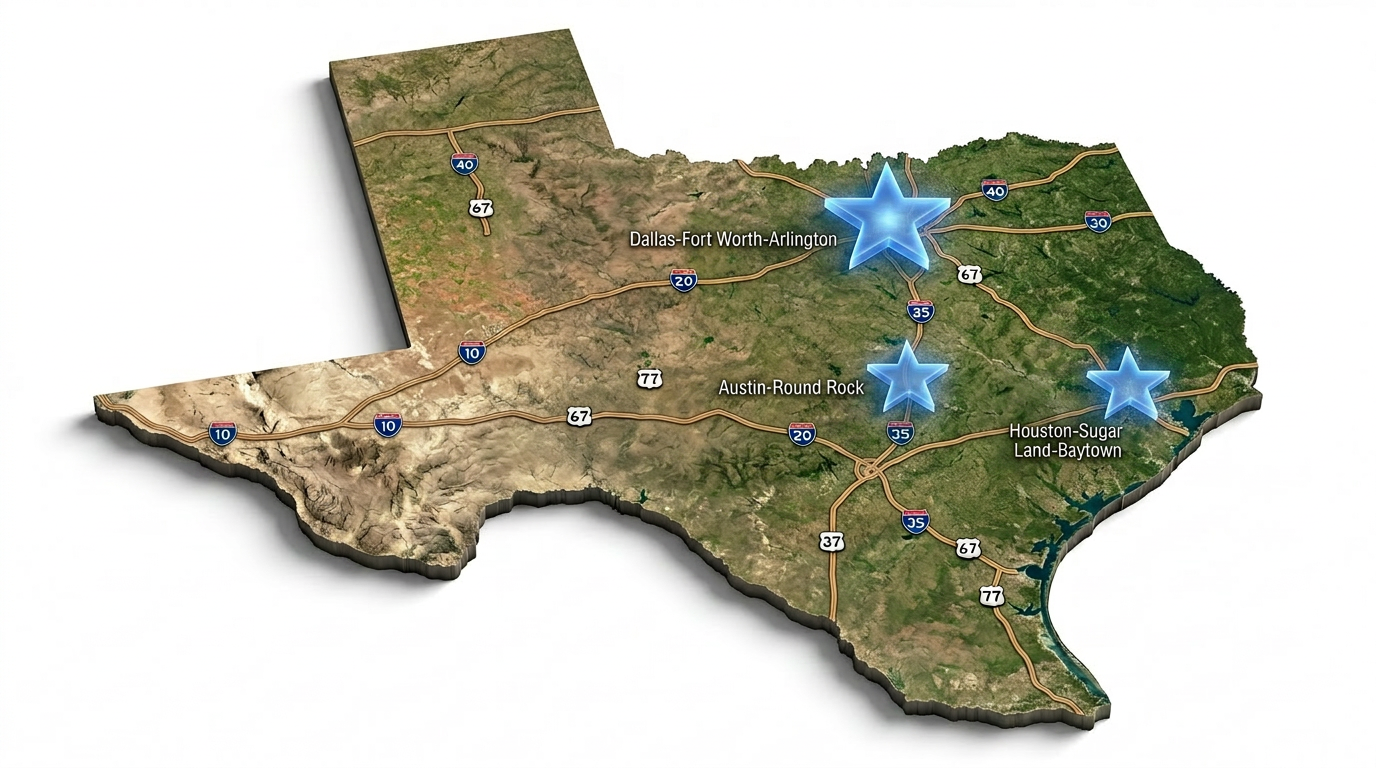
Looking for Top Legal Representation in the Dallas, Houston or Austin for
corporate oppression or corporate dissolution? Contact Wilson Legal Group!
At Wilson Whitaker Rynell, our experienced Texas business attorneys guide you through every detail:
- - internal approvals
- - creditor negotiations to
- - equitable asset distribution
- - final filings.
We’ve helped countless owners flatten holding company structures, protect valuable subsidiaries, and resolve disputes efficiently—so you can move forward with confidence.
Our experienced attorneys are here to deliver results!
Contact Us or Call 972-248-8080 for a Free Consultation!
Wilson Whitaker Rynell – Trusted Texas Business Law Partners








Have an idea for a blog? Click and request a blog and we will let you know when we post it!