


Top 7 Mistakes Inventors Make When Filing a Patent in Texas
Top 7 Mistakes Inventors Make When Filing a Patent in Texas
From tech startups in Austin to engineers in Houston and entrepreneurs in Dallas–Fort Worth, Texas inventors drive innovation every day. Unfortunately, many lose valuable patent rights—or spend thousands correcting preventable errors—because they misunderstand the patent process or make critical filing mistakes early on. Even though U.S. law allows a limited one-year grace period after certain public disclosures, that protection does not extend internationally and can seriously weaken your intellectual property strategy.
Understanding the patent process and avoiding common pitfalls can save time, money, and your invention itself.
Understanding the Patent Process
As patent attorneys, we guide inventors through the U.S. patent process starting with a comprehensive prior art search to evaluate novelty, non-obviousness, and utility under 35 U.S.C. §§ 101–103, while confirming the invention meets enablement and written description requirements under USPTO § 112. We typically recommend filing a provisional patent application first to secure an early filing date and a 12-month priority period for further development. This is followed by a detailed non-provisional utility patent application containing specifications, drawings, and carefully drafted claims that define the invention’s legal scope. Once filed with the USPTO, the application undergoes examination where a patent examiner issues office actions citing rejections or objections. We respond with amendments, arguments, and negotiations to overcome these issues, a process that often takes 18–36 months. If allowed, the patent issues for a 20-year term from the earliest filing date (subject to adjustments), with maintenance fees required at 3½, 7½, and 11½ years. Throughout, we advise on critical legal deadlines, the one-year grace period for public disclosures, proper assignment recording, and strategic use of continuation or divisional applications. For international protection, we utilize the Patent Cooperation Treaty (PCT). Working with a registered patent attorney is essential to avoid common pitfalls that can result in rejected applications, overly narrow claims, or complete loss of rights.
Before discussing common mistakes, it is important to simplify and summarize how the patent process works as it very complex and not easily understood by an inventor/applicant:
Step 1: Evaluate Patentability
A patent attorney first determines whether your invention is eligible for patent protection by reviewing:
- Novelty (is it new?)
- Non-obviousness
- Utility or ornamental design
This usually includes a prior art search of existing patents and publications worldwide.
Step 2: File a Patent Application
Depending on your goals, this may involve:
- Provisional Patent Application (PPA): Establishes an early filing date but does not become a patent by itself.
- Non-Provisional (Utility) Patent Application: Begins formal examination by the USPTO.
- Design Patent Application: Protects ornamental appearance.
Step 3: USPTO Examination
The USPTO reviews your application and issues Office Actions raising objections or rejections. Your attorney responds with legal arguments and claim amendments.
Step 4: Allowance and Issuance
If approved, the patent issues and grants enforceable rights for up to 20 years (utility) or 15 years (design).
Step 5: Maintenance and Enforcement
Maintenance fees must be paid and your patent must be monitored and enforced against infringement. Every step involves strict rules and deadlines. Mistakes early in the process can permanently destroy rights.
"One simple mistake during the patent process can cost you your invention’s entire commercial value, for example publicly disclosing your invention before filing
can permanently destroy your ability to secure a patent
and deny any foreign patent rights!"
Mistake 1: Publicly Disclosing Your Invention Before Filing a Patent Application
One of the most damaging mistakes Texas inventors make is sharing their invention publicly — at trade shows, in academic papers, through sales pitches, or even on social media — before filing any patent application. In the U.S., you have a one-year grace period from your own disclosure date to file a patent application. However, this disclosure immediately bars patent protection in most foreign countries, which follow an absolute novelty rule. Many inventors underestimate how quickly information spreads. A single presentation or product demo can destroy foreign patent rights permanently.
Think twice before publicly revealing your invention prior to filing the patent application. This includes:
- Trade shows
- Investor presentations
- Academic papers
- Product demonstrations
- Social media posts
Mistake 2: Failing to Conduct a Thorough Prior Art Search
Inventors often assume their invention is unique without properly searching existing patents, published applications, scientific literature, or even commercial products. A weak prior art search frequently leads to rejected applications or narrow claims that offer little real protection. A comprehensive search should include both U.S. and international databases, as prior art anywhere in the world can invalidate a U.S. patent.
Avoid at all costs:
- Rejected applications
- Narrow claims
- Wasted filing costs
Mistake 3: Filing an Incomplete or Vague Provisional Patent Application
Many inventors treat a provisional application as a simple placeholder. However, a poorly written provisional that lacks sufficient technical detail, drawings, or descriptions can fail to support a later non-provisional application. This mistake often results in loss of the early filing date or rejection of key claims. A strong provisional patent application must fully describe how to make and use the invention in enough detail that a person skilled in the art could replicate it.
Ensure you have properly developed and disclosed each of the following:
- Technical detail
- Drawings
- Alternative embodiments
Mistake 4: Choosing the Wrong Type of Patent Application
Inventors frequently file a provisional patent application when they actually need a utility patent application immediately, or vice versa. Some delay filing a non-provisional application too long after the provisional expires (12 months), losing the benefit of the provisional's filing date. Understanding when to use provisional, utility, design, or even continuation applications is critical for proper protection.
Inventors frequently:
- File a provisional when a utility patent is needed immediately
- Miss the 12-month conversion deadline
- Fail to consider design patents or continuation applications
Mistake 5: Drafting Weak, Overly Broad, or Indefinite Patent Claims
Claims define the legal boundaries of your invention. Claims that are too broad get rejected for lack of novelty or obviousness, while claims that are too narrow provide insufficient protection. Vague or indefinite language can also lead to rejection under 35 U.S.C. § 112. Professional claim drafting requires precise technical language and strategic breadth.
Patent claims define your legal rights. Problems include:
- Claims too broad → rejected as obvious or anticipated
- Claims too narrow → little commercial value
- Vague language → rejected under 35 U.S.C. §112
Mistake 6: Attempting to File Without a Registered Patent Attorney or Agent
Many inventors try to save money by filing themselves using online templates or DIY services. USPTO rules are highly technical, and even small errors in specification, drawings, or claim language can result in permanent rejection or weak patents. Only registered patent attorneys or agents may represent inventors before the USPTO. Non-registered attorneys cannot properly prosecute patent applications.
DIY filings and online templates often contain fatal errors.
Mistake 7: Ignoring Important Deadlines and Maintenance Requirements
Missing the 12-month deadline to convert a provisional application to a non-provisional is common. Other critical deadlines include responding to USPTO office actions (usually 3 or 6 months), paying maintenance fees at 3½, 7½, and 11½ years after issuance, and properly recording assignments. Missing these deadlines can cause abandonment of your application or lapse of your issued patent.
Common missed deadlines include:
- 12 months to convert a provisional application
- Office Action response deadlines (3–6 months)
- Maintenance fees at 3½, 7½, and 11½ years
- Assignment recording deadlines
How to Protect Your Invention in Texas
The most effective way to avoid these mistakes is to work with an experienced, USPTO-registered patent attorney from the beginning. A qualified patent lawyer can:
- Conduct thorough prior art searches
- Draft strong provisional and non-provisional applications
- Prepare enforceable claims
- Respond to USPTO Office Actions
- Develop domestic and international filing strategies
- Track deadlines and maintenance fees
Early legal guidance often costs far less than fixing errors later.
Texas Patent Solutions | Wilson Legal Group
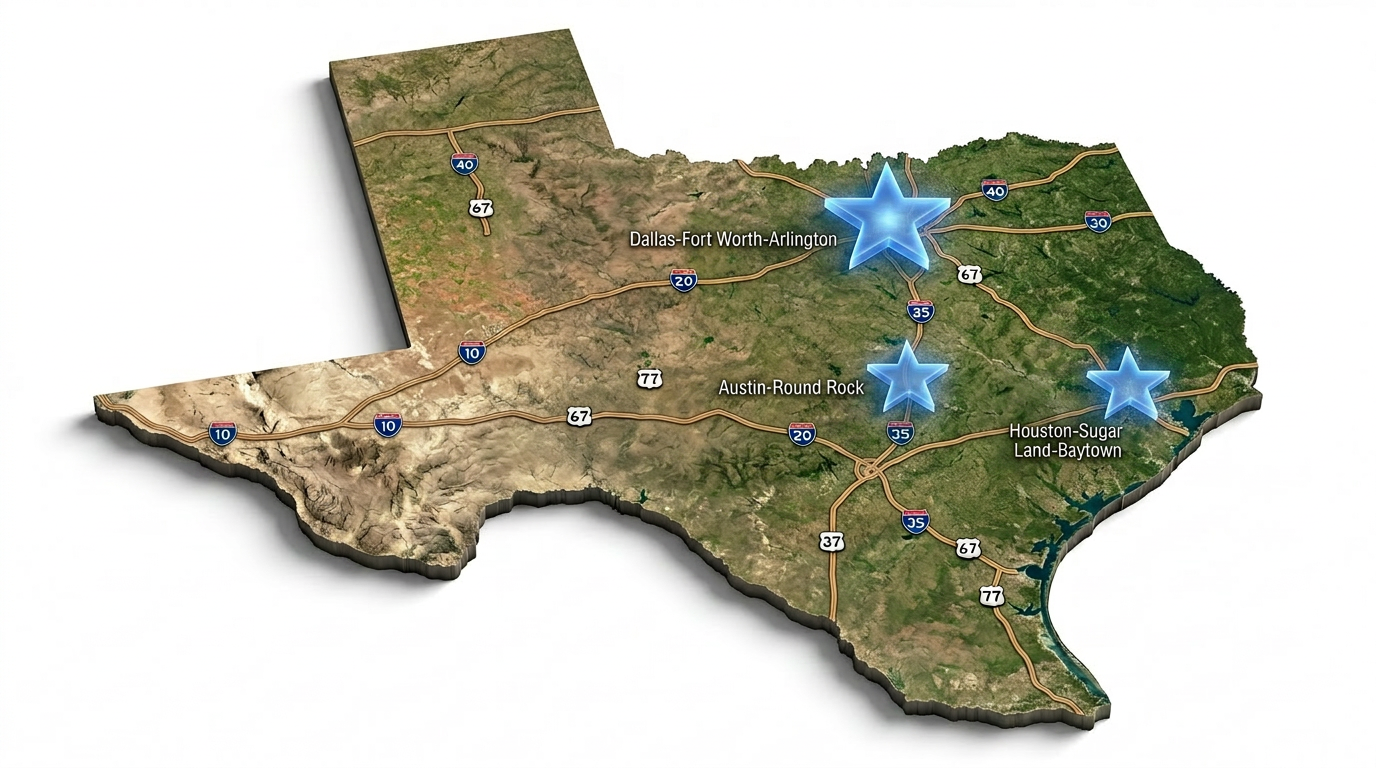
Looking for Top Patent Attorney Representation in the Dallas, Houston or Austin for
patents filings, patent applications, patent licensing, and patent litigation?
At Wilson Legal Group, we are dedicated to providing exceptional patent legal services
for your patent needs.
Our experienced patent attorneys are here to deliver results!
Contact Us or Call 972-248-8080 for a Free Consultation!






Have an idea for a blog? Click and request a blog and we will let you know when we post it!