


Texas Bill of Review - a Closer Look!
Bill of Review in Texas: How to Challenge a Judgment
Discovering a judgment against you—sometimes years later—can feel overwhelming. In Texas, one of the few ways to attack a final judgment after normal deadlines have passed is through a Bill of Review. A bill of review is an equitable action brought by a party to a prior action who seeks to set aside a judgment that is no longer subject to challenge by a motion for new trial or appeal. See Caldwell v. Barnes, 154 S.W.3d 93, 96 (Tex.2004). An equitable bill of review is a form of post-trial method to secure a new trial after the trial and appellate deadlines have expired. A bill of review may be filed any time after the court losing plenary power but in no event more than four years have elapsed since the judgment was signed by the judge.
Understanding when a bill of review applies, how timing works, and what proof is required can make the difference between reopening a case and being permanently bound by a judgment you never had a chance to defend.
What Is a Bill of Review in Texas?
A Bill of Review is an equitable proceeding used to challenge and potentially vacate a final judgment. It is filed in the same court that issued the judgment and asks the court to set that judgment aside. In most cases, a bill of review must be filed within four years of the date the judgment was signed. Courts treat this deadline seriously. Once the four-year window closes, the only way forward is to prove extrinsic fraud, which is rare and extremely difficult. The the Texas Supreme Court held in In The Interest Of D.B and K.B., Children Appeal from 468th Judicial District Court of Collin County, provides a clear and comprehensive restatement of the existing principles applied in bill of review cases. Some people simply enjoy dragging things out in court but this case highlights how trial judges hold both a sword and a shield—they can use the "sword" to cut through and correct injustices when the situation calls for it, while wielding the "shield" to protect everyone from endless, baseless lawsuits. In a bill of review, the judge can block vexatious litigants from making repeated, frivolous stabs at reopening settled cases without good reason all while protecting those that need protection.
Required Proof To Win Bill of Review
To be entitled to a bill of review, a Petitioner must ordinarily allege and prove:
- that you have a meritorious defense to the underlying cause of action,
- that you were prevented from making by fraud, accident, or wrongful act of the opposite party or official mistake; and
- which was unmixed with any fault or negligence of your own
The standard is very clear that your own fault at not being able to present your claim or defense in the first trial must have been caused solely by a third party through fraud, accident or other wrongful act. Fraud by the opposing party and official mistake stand as the two most likely grounds to file for a bill of review in your Texas family law case. Court error can also cause an "official mistake" either through a judge or a clerk of the Court. An official mistake would more than likely some sort of failure to provide you notice of any order or judgment that has been rendered by a court. However, it is important to note that your reliance on wrong information provided by a court clerk is not an "official mistake" but rather your negligence for relying on an unqualified individual and not seeking adequate counsel.
Timing Matters: Motion for New Trial vs. Bill of Review
One of the most common mistakes people make is choosing the wrong procedural tool. If the judgment is very recent—typically within the last two to four weeks—the correct step is usually a motion for new trial, not a bill of review. A motion for new trial is faster, less expensive, and procedurally cleaner. Once those deadlines expire, a bill of review may become the only remaining option.
If the judgment is months or years old, a bill of review is often the appropriate vehicle—provided you are still within the four-year statute of limitations. Filing after four years is technically possible, but only if you can prove extrinsic fraud, which courts view with skepticism.
Steps to Filing a Bill of Review in Texas
Step 1: Confirm That a Bill of Review Is the Right Remedy
The first step is determining whether a bill of review is appropriate at all. If the judgment was signed within the last 2–4 weeks, a motion for new trial is usually the correct and faster remedy. A bill of review is generally used when those deadlines have expired. Most bills of review must be filed within four years of the date the judgment was signed. Filing after four years is possible only in rare cases involving extrinsic fraud, which is difficult to prove.
Step 2: Identify the Legal Grounds for the Bill of Review
A bill of review is not granted simply because the judgment feels unfair. There must be a recognized legal basis to set it aside. Common grounds include lack of proper service, defective notice by publication, fraud that prevented participation in the case, official or clerical mistakes, or situations where the court lacked jurisdiction. In many cases, the focus is on whether the defendant ever had a real opportunity to appear and defend the lawsuit.
Step 3: Gather Evidence Supporting the Challenge
Evidence is essential. Courts will not vacate a judgment based on allegations alone. Supporting materials may include affidavits from witnesses, proof of your actual residence at the time of alleged service, travel records, employment records, communications showing you were reachable, or defects in the plaintiff’s service affidavit. The strength of a bill of review often depends on how well the evidence tells a consistent, credible story.
Step 4: Draft and File a Verified Petition for Bill of Review
The bill of review is filed as a new, independent lawsuit, but it must be filed in the same court that issued the original judgment. The petition must be verified, meaning it is sworn to under oath, and it must plead the grounds for relief with particularity. Vague or conclusory pleadings are a common reason bills of review fail.
Step 5: Serve the Opposing Party
Once filed, the opposing party must be formally served with the bill of review petition, just like any other lawsuit. This step is critical. Improper service of the bill of review itself can delay or derail the case, even if the underlying judgment was defective.
Step 6: Request Temporary Relief if Necessary
Filing a bill of review does not automatically stop enforcement of the existing judgment. If wage garnishment, bank levies, child support enforcement, or property execution is ongoing, additional relief—such as a temporary injunction or stay—may be necessary to prevent immediate harm while the bill of review is pending.
Step 7: Litigate the Bill of Review
After service, the case proceeds like other civil litigation. The court may hold hearings, allow discovery, and receive evidence. If facts are disputed—such as whether service actually occurred—the issue may be decided by the judge or, in some cases, a jury. The court will determine whether the judgment should stand or be vacated.
Step 8: Proceed With the Underlying Case or Resolution
If the bill of review is granted, the original judgment is set aside. This does not end the dispute—it simply restores the case so it can be decided on the merits. From there, the case may proceed to trial, be resolved through motions, or settle. In many situations, settlement becomes more realistic once the default judgment is removed.
Vacating a judgment does not eliminate the underlying claim or debt. It simply removes the default judgment and restores the case to active status. The lawsuit then proceeds as if the judgment never happened.
Why Bills of Review Are Most Often Filed
The most common reason a bill of review is filed is simple: the defendant was never served. This situation often arises when someone discovers an old judgment during a credit check, title search, divorce, probate matter, or loan application. If you had no knowledge of the lawsuit and no opportunity to appear, that raises serious due-process concerns. Merely claiming “I was never served” is not enough. Courts expect evidence, not just testimony. For example, you may be able to show that you did not live at the address where service supposedly occurred, or that you were out of town at the time. Supporting affidavits from roommates, family members, neighbors, or employers can be critical, as can documents showing your actual residence or travel history.
Using a Bill of Review to Fight Back
A bill of review is essentially a new lawsuit filed in the same court that issued the original judgment. It's your tool to challenge and potentially erase a final judgment that's no longer appealable.
- Standard requirements (usually): You'd normally need to prove a meritorious defense, that fraud/accident/mistake prevented your participation, and it wasn't your fault. But...
- Easier path for bad service: If publication was defective, you're often excused from those extras because you had no duty to respond without proper notice. The spotlight shifts to proving the service flaws.
- The process: File a sworn petition detailing the defects, back it with evidence (like affidavits or records showing you were findable). If facts are contested, it might go to a jury. Win, and the judgment gets tossed, restarting the case on its merits.
Timing: Don't Wait Forever
- General rule: File within four years of the judgment's date.
- Exceptions for voids: If it's a due process violation making the judgment void, you might challenge it anytime—though courts expect you to act promptly once you learn about it, especially if others have relied on the judgment. Delays could hurt your case.
Can I file a Bill of Review if I actually knew about the lawsuit but didn’t respond?
Usually no—but there are narrow exceptions.
If you had actual knowledge of the lawsuit and chose not to participate, courts are generally unwilling to grant a bill of review. However, if your failure to respond was caused by official mistake, misleading court action, or extrinsic fraud (something that prevented you from participating despite reasonable efforts), a bill of review may still be possible. These cases are difficult and highly fact-specific.
Does filing a Bill of Review stop collection efforts automatically?
No.
Filing a bill of review does not automatically pause enforcement of the judgment. Wage garnishments, bank levies, abstracts of judgment, and other collection efforts can continue unless the court grants temporary relief. In many cases, a separate request for a temporary injunction or supersedeas relief is necessary to prevent ongoing harm while the bill of review is pending.
Can a Bill of Review be used to challenge child support or custody orders?
Yes, but courts apply heightened scrutiny.
Bills of review are allowed in family law cases, including child support and custody matters. However, courts carefully balance procedural defects against the best interests of the child. If service was improper or notice by publication violated due process, the court still has authority to set aside the judgment, but the analysis may be more cautious than in purely financial cases.
What if the process server lied or made false statements?
That can be powerful evidence—but it must be proven.
If a process server falsely claimed service occurred, this may support a bill of review. However, courts require independent evidence, such as affidavits, time records, employment logs, travel documentation, or witness testimony. Allegations of false service are taken seriously but must be supported by more than suspicion or denial.
Can I file a Bill of Review if I live out of state now?
Yes.
Your current residence does not prevent you from filing a bill of review in Texas. The bill of review must be filed in the court that issued the judgment, even if you now live in another state. Out-of-state residency is common in cases involving old judgments discovered years later.
What happens if the judge denies the Bill of Review?
If the bill of review is denied, the original judgment remains in place.
Depending on the circumstances, you may have the right to appeal the denial, but appellate courts give significant deference to the trial court’s factual findings. This is why careful preparation, strong evidence, and procedural accuracy are essential from the outset.
Is a Bill of Review the same as reopening or reinstating a case?
No.
A bill of review is a new, independent lawsuit attacking a prior judgment. It is not a motion to reopen, reinstate, or reconsider. The court does not simply “revisit” the old case—it decides whether the prior judgment should be vacated entirely. Only if the bill of review succeeds does the original case move forward again.
Can a Bill of Review undo child custody or conservatorship orders?
Potentially, yes.
A bill of review may be used to challenge custody or conservatorship orders entered without proper service or notice. However, Texas courts will carefully consider the best interests of the child when deciding whether to vacate prior orders. Even if a bill of review is granted, the court may enter temporary orders to protect the child during the reopened case.
Does remarriage after a default divorce prevent a Bill of Review?
Not necessarily.
Remarriage does not automatically bar a bill of review, but it can complicate the case. Courts may consider whether third parties relied on the divorce decree and whether vacating it would cause unfair prejudice. This makes early legal review critical if a default divorce is discovered.
Can a Bill of Review be filed if I was served by publication but could have been easily found?
Yes—and this is one of the strongest grounds for relief.
In Texas family law cases, notice by publication is meant to be a last resort. If your former spouse knew—or could have discovered—your address, phone number, workplace, or family contacts, publication may violate due process. Courts routinely set aside family law judgments when publication was used improperly.
Wilson Whitaker Rynell Can Protect You
with a Bill of Review
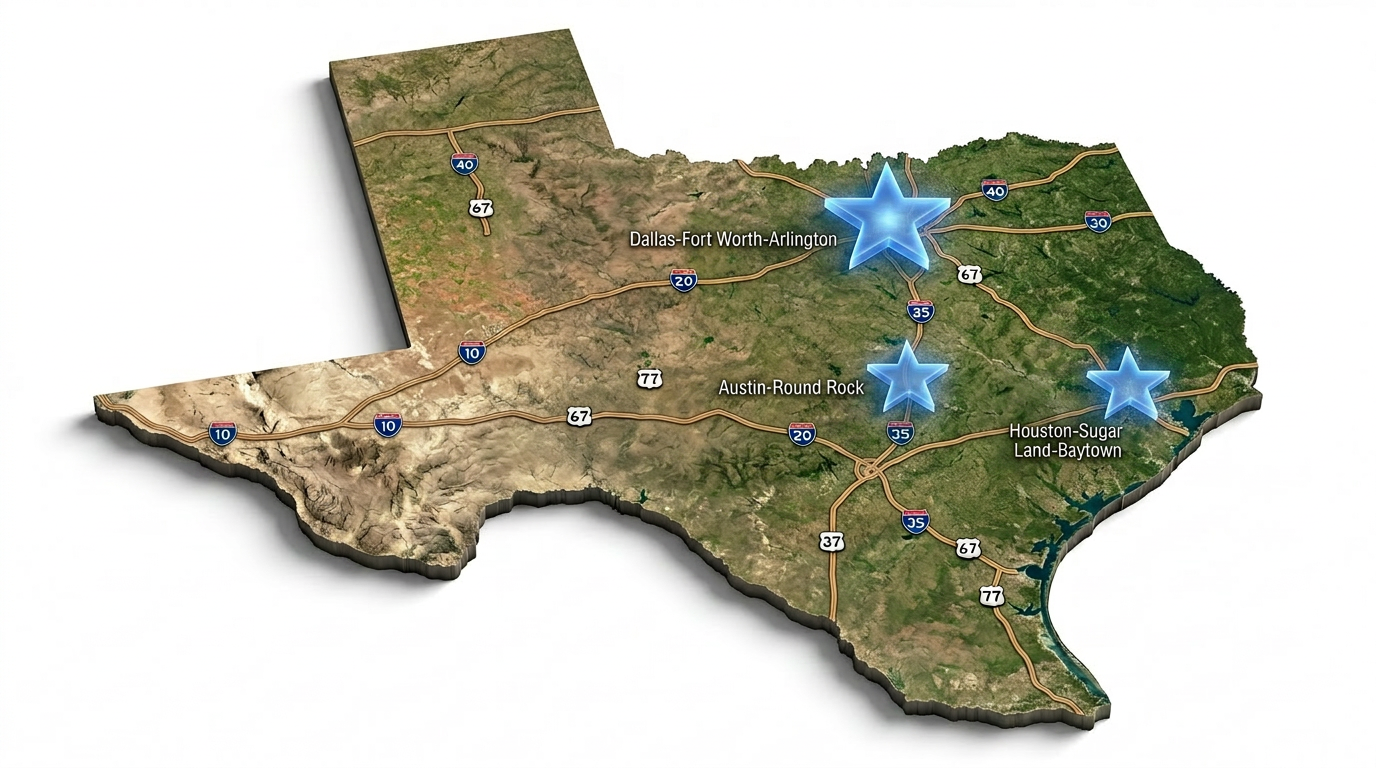
At Wilson Whitaker Rynell, we specialize in civil litigation across the Dallas-Fort Worth metroplex, Houston, and Austin including contract disputes, business torts, and complex litigation. Our attorneys conduct a detailed review of the underlying case to identify procedural defects that support a Bill of Review, including issues involving service of process, standing or capacity, improper venue, and the authenticity of key documents. When necessary, we prepare verified denials under the Texas Rules of Civil Procedure to preserve critical defenses and avoid admissions that could undermine your case. We have successfully applied these strategies in business litigation, probate matters, and family law proceedings in both Texas state and federal courts to challenge judgments that were improperly obtained.
Don't risk a procedural misstep—our team offers free initial consultations to evaluate your case.
Call us Today at 972-248-8080 or Schedule Online.








Have an idea for a blog? Click and request a blog and we will let you know when we post it!