
AI Automation and Software Licensing Agreements
AI Automation and Software Licensing Agreements: Key Legal Risks and Compliance Tips for Businesses in 2026
In today’s fast-evolving tech landscape, AI automation is transforming how businesses operate — from streamlining workflows to handling complex data tasks with incredible speed. Tools like robotic process automation (RPA) and autonomous AI agents promise massive efficiency gains. But here’s the catch: many software license agreements (often called EULAs or SaaS terms) contain strict prohibitions that make these AI tools legally risky — or outright illegal — without proper authorization.
There is a clear and growing trend among software companies to prohibit or heavily restrict the use of external AI (including AI agents, robotic process automation/RPA, bots, scripts, or any non-approved automation) for controlling, interfacing with, or automating their platforms — especially when it involves GUI driving, data extraction, or bypassing intended human-only access.This trend is a clear defensive strategy by software vendors. The rise of agentic AI—autonomous AI agents that control applications the same way a human user would—is seen as a direct threat to traditional SaaS business models, per-user licensing, data security, and intellectual property protection.
If you’re developing, deploying, or using AI agents for software automation, the safest and most compliant approach is to:
- Carefully review the current EULA or Terms of Service of the target platform,
- Look specifically for clauses banning robotic process automation (RPA), artificial intelligence, GUI automation, or unauthorized access,
- And obtain explicit written consent from the vendor before proceeding.
At Wilson Whitaker Rynell, our Technology, Intellectual Property, and Business Law team regularly advises Dallas, Houston, and Austin companies on these emerging issues. This article breaks down the hidden legal pitfalls of using AI agents with licensed software and provides practical compliance strategies every business leader should know.
Why Software Licensing Agreements Matter More Than Ever in the AI Era
Most business software — whether desktop applications, cloud platforms, or industry-specific tools — comes with an End User License Agreement (EULA) or similar terms of service. These contracts aren’t just fine print; they legally define exactly how (and by whom) the software can be used. Traditional licenses were written for human users. Today, however, AI agents that log in, navigate user interfaces, input data, generate outputs, or modify files are becoming common. Without careful review, this “AI-as-user” approach can trigger automatic breaches.
- Key question businesses ask us: Can I legally deploy an AI agent to log into my licensed software and automate repetitive tasks? The short answer is often “no” — unless you obtain explicit written permission from the provider.
Common Prohibitions on AI and Automation in Modern Licensing Terms
Sophisticated software vendors now include explicit language targeting AI and automation. Here are the most frequent restrictions we see in 2026 license agreements, along with sample clause language (paraphrased from real-world examples for illustrative purposes):
- Blanket Ban on AI and RPA Tools
Many agreements prohibit the use of “robotic process automation (RPA), artificial intelligence, bots, scripts, or any similar automation technology” to access, interface with, control, or operate the software.
Sample language example:“In addition to any restrictions on access or use specified in the Services Agreement you must not: … (c) utilize robotic process automation, artificial intelligence, application programming interfaces (unless such application programming interface is made available and approved by [Vendor] as part of the Services), or any other similar automation tools, software, technology, or processes to access, interface with, control, or use the Services or any data or information therein;”
This clause is broad and covers GUI-driving agents, scripts, or any non-human interaction — even if the AI mimics a human user perfectly.
- No Unauthorized Third-Party Access or Account Sharing
Licenses typically limit use to named human users or authorized employees on company devices. An AI agent logging in with credentials is often treated as unauthorized third-party access.
Sample language example: "You agree to restrict all access to the Services and the information or data therein to yourself and, if applicable, the [Vendor] Customer’s employees and authorized individuals using the [Vendor] Customer’s computers and mobile devices… You must not permit, direct, authorize, or otherwise cause through any means anyone other than a User to access, interface with, or use the Services unless [Vendor] provides prior written consent…”
- Restrictions on UI Automation, Reverse Engineering, and Circumvention
Driving the graphical user interface (GUI) — clicking buttons, filling forms, or extracting data programmatically — frequently violates “no reverse engineering,” “no circumvention of security,” or “no automated collection” clauses.
Sample language example: “You must not at any time, directly or indirectly: (a) Reverse engineer, disassemble, decompile, or decode the Services or the AI Features… (b) Access or use the Services… to develop, train, or improve any product, service, system, model… (c) Use web scraping, web harvesting, web data extraction or any other method to extract data from the Services…”
- API-Only Exceptions (Narrowly Defined)
Some providers allow automation only through officially approved APIs. Bypassing those with custom AI agents is almost always prohibited.
Sample language example: “…application programming interfaces (unless, subject to [Section X], such application programming interface is made available and approved by [Vendor] as part of the Services)…”
These clauses exist to protect the vendor’s intellectual property, pricing data integrity, security, and revenue model. Violating them isn’t a minor technicality — it’s a material breach, often labeled “non-curable.”
Software Companies Ban AI Agents: The New EULA Trend in 2026
The above trend among software companies to prohibit or otherwise restrict the use of external AI (including AI agents, robotic process automation/RPA, bots, scripts, or any non-approved automation) for controlling, interfacing with, or automating their platforms — especially when it involves GUI driving, data extraction, or bypassing intended human-only access in only growing. This trend has accelerated in recent years (particularly 2023–2026) as AI agents become more capable (e.g., tools like Anthropic's Claude computer use, OpenAI agents, or custom RPA setups) and companies seek to protect their IP, pricing models, data integrity, security, and revenue from unauthorized scraping or automation.
A clear and growing trend among software companies to prohibit or heavily restrict the use of external AI (including AI agents, robotic process automation/RPA, bots, scripts, or any non-approved automation exists!
The Legal Risks of Non-Compliant AI Automation
Ignoring these AI related terms, conditions, and restrictions can lead to severe consequences:
- Immediate Account Termination — Many agreements state that AI-related breaches are “non-curable,” triggering automatic termination without notice.
- Injunctive Relief and Lawsuits — Vendors can seek court orders to shut down your AI system and pursue damages.
- Audit and Inspection Rights — Providers often reserve the right to audit your usage logs, records, and systems.
- Secondary Liabilities — If your AI generates infringing outputs or violates data privacy laws, additional claims may arise.
In our practice, we’ve seen companies face surprise license revocations, hefty legal fees, and disrupted operations after deploying well-intentioned AI automation without clearing the licensing hurdles.
How to Legally Deploy AI Automation: Practical Compliance Strategies
The good news? You can use AI agents responsibly with the right approach. Here’s what we recommend to our clients:
- Conduct a Thorough License Review — Have experienced counsel analyze every relevant EULA before deployment.
- Seek Explicit Written Consent — Contact the provider and request an amendment or side letter authorizing your AI use case.
- Leverage Approved APIs When Available — Build around official APIs instead of GUI-driving agents.
- Implement Human-in-the-Loop Safeguards — Design systems where AI assists rather than fully replaces human oversight.
- Document Everything — Keep records of approvals, policies, and testing for audits.
- Negotiate AI-Friendly Terms Upfront — When entering or renewing contracts, push for language that anticipates automation.
Vendors are creating a defensive move as "agentic AI" (autonomous agents that control apps like humans)
threatens traditional SaaS models. If you're building or using AI agents for software automation, always review the target platform's current EULA/TOS and seek explicit written consent — blanket prohibitions are increasingly the norm.
Can I legally use an AI agent or bot to automate tasks in licensed software?
No, in most cases you cannot without explicit written permission from the software provider. Many modern End User License Agreements (EULAs) and terms of service explicitly prohibit the use of artificial intelligence, robotic process automation (RPA), scripts, bots, or any automated tools to access, control, interface with, or operate the software—even if the AI mimics human actions. Violating these clauses often results in automatic, non-curable breach and immediate account termination.
What do AI and automation restrictions look like in software license agreements?
Software providers increasingly include broad bans on non-human interaction. Common sample language includes:
“In addition to any restrictions on access or use... you must not: utilize robotic process automation, artificial intelligence... or any other similar automation tools, software, technology, or processes to access, interface with, control, or use the Services...”
Other clauses restrict reverse engineering, GUI driving, or unauthorized third-party access, such as: “You must not permit... anyone other than a User to access, interface with, or use the Services unless [Vendor] provides prior written consent.”
Is using RPA (robotic process automation) considered a violation of software licenses?
Yes, frequently. RPA tools that log in and perform repetitive tasks (e.g., data entry or UI navigation) are often treated the same as AI agents under license terms. Many agreements label RPA as prohibited automation, especially if it bypasses intended human-only usage or shares a single-user license across automated sessions. This can trigger audits, penalties, or license revocation.
Can I use an AI agent to log into my own account and run software like a regular user?
Generally no—this is a direct violation in restrictive EULAs. Accounts are licensed for named human users or authorized employees only. An AI agent logging in is viewed as unauthorized access or account sharing. Even if it “acts like you,” it breaches clauses banning automation, circumvention of security, or non-human control of the software.
Are there any legal ways to automate software with AI without breaking the license?
Yes, but only through approved channels:
- Use officially supported APIs (if provided and permitted).
- Obtain explicit prior written consent or an amendment from the vendor.
- Build “human-in-the-loop” systems where AI assists but a person reviews/controls actions.
Without vendor approval, GUI-driving AI agents or custom bots almost always violate the terms.
What happens if I violate AI or automation restrictions in a software EULA?
Consequences can be severe and immediate:
- Automatic termination of your license (often “non-curable” with no notice or cure period).
- Injunctive relief (court orders to stop using the AI).
- Vendor audits of your usage records.
- Potential damages claims for unauthorized access, data misuse, or lost revenue.
In practice, many vendors monitor for automation and act quickly to protect their IP and pricing models.
How can businesses safely use AI automation while staying compliant with software licenses?
Start with a thorough legal review of all relevant EULAs. Then:
- Seek written vendor approval for your specific AI use case.
- Prioritize official APIs over UI automation.
- Document approvals, policies, and human oversight.
- Negotiate AI-friendly terms during contract renewals or new purchases.
- Proactive counsel can help draft amendments, respond to audits, and avoid costly disputes.
Legal Solutions For You | Wilson Legal Group
At Wilson Legal Group, our legal team specializes in software licensing disputes, technology contracts, intellectual property protection, and complex business litigation. We help clients draft AI-safe agreements, respond to vendor audits, and defend against improper termination claims.
Don’t let an exciting AI project turn into a costly legal headache.
Early review and strategic planning can mean the difference between
innovation success and unexpected shutdowns.
Contact Us or Call 972-248-8080 for a Free Consultation!
email info@wilsonlegalgroup.com
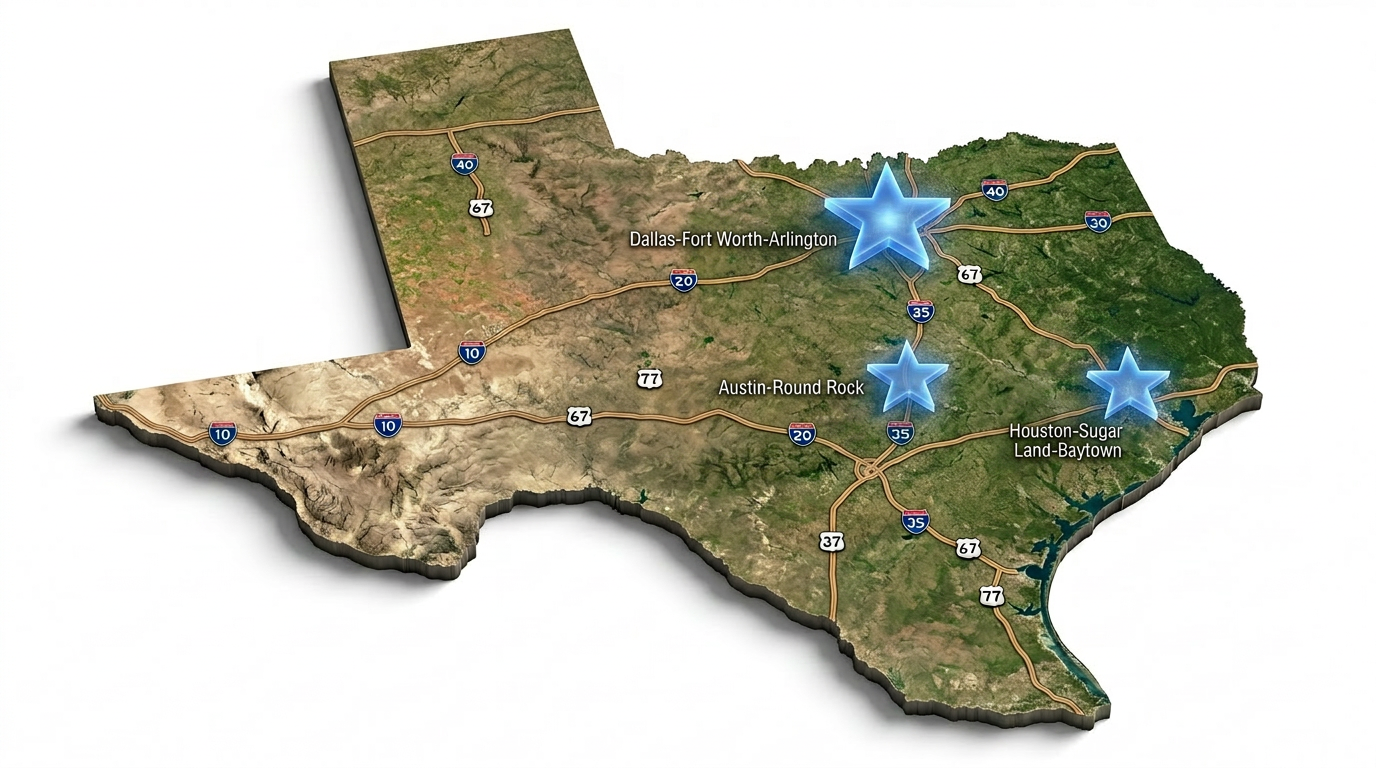
We serve clients across the DFW Metroplex, Houston, Austin, and statewide.







Have an idea for a blog? Click and request a blog and we will let you know when we post it!