


Texas Adverse Possession Laws - Claiming Land
Texas Adverse Possession Laws: Claiming Adverse Posession
Adverse possession remains one of the most misunderstood areas of Texas real estate law. Many landowners assume that if a relative or neighbor has been using their property for years—especially after a family conveyance or mistaken boundary description—the user can simply claim ownership. In reality, Texas adverse possession laws impose strict requirements, and claims arising from family land disputes face an especially high bar.
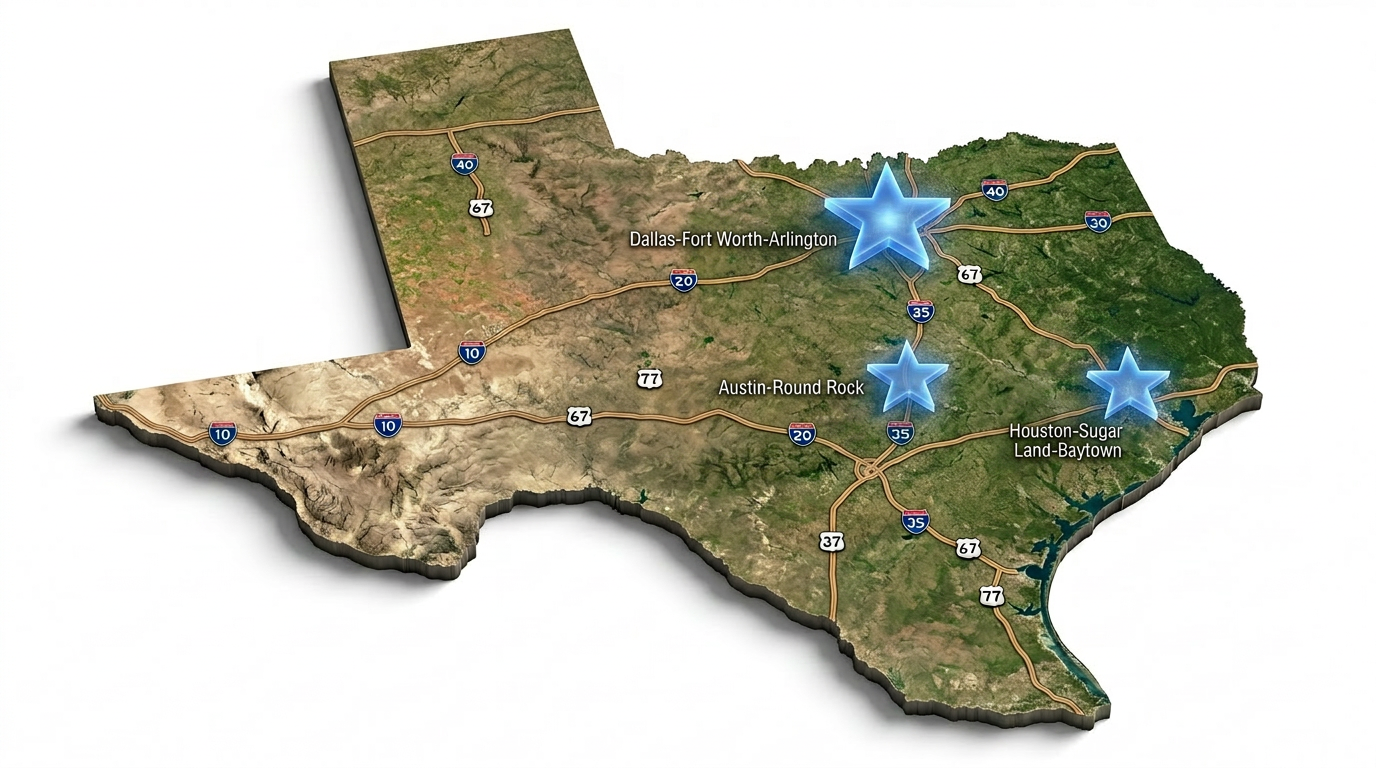
At Wilson Whitaker Rynell, our real estate litigation team regularly handles these high-stakes title disputes across Dallas-Forth Worth Metroplex, Houston, and Austin. Below, we explain how Texas adverse possession works, why family relationships change everything, and what landowners (or buyers who just purchased the property) can do to protect their title.
What Is Adverse Possession in Texas?
Adverse possession allows a person in possession of real property to obtain legal title if they meet specific statutory requirements for a set number of years. Texas recognizes three primary limitation periods under the Civil Practice & Remedies Code:
- 3-year statute (§ 16.024) – Requires a deed or other written instrument that appears to convey title (“color of title”) plus payment of taxes.
- 5-year statute (§ 16.025) – Requires a deed, tax payments, and cultivation or use.
- 10-year statute (§ 16.026) – The most common in disputes. Requires only an actual and visible appropriation of real property, commenced and continued under a claim of right that is inconsistent with and is hostile to the claim of another person. while cultivating, using, or enjoying the land. No deed or tax payment is needed.
To prevail on an adverse possession claim under any Texas statute, the claimant must prove five essential elements by a preponderance of the evidence. These elements are actual possession, open and notorious use, exclusive possession, continuous possession for the full statutory period, and a hostile (adverse) claim that is not permissive.
If the claimant fails to establish even one of these five elements, the entire adverse possession claim will fail.
The Family-Land Presumption: Permissive Use Defeats Most Claims
Texas courts apply a strong presumption of permissive use when the adverse-possession claimant and the record owner are related by blood or where possession began because of a family conveyance or representation. This is the single most powerful defense in family-land cases.
When a parent tells a child, “This tract is included in the land I’m selling you,” or when family members divide inherited property informally, the law presumes the child’s (or relative’s) subsequent use is with permission, not hostile. Fencing the land, grazing livestock, riding ATVs, or posting “no trespassing” signs—acts that might be hostile against a stranger—are often viewed as consistent with family permission.
Texas Supreme Court precedent is crystal clear on this point:
- In Todd v. Bruner, 365 S.W.2d 155 (Tex. 1963), the Court held that possession beginning under a family relationship is presumed permissive. The claimant must show a clear and unequivocal repudiation of that permission and that notice of the repudiation was brought home to the record owners.
- Tex-Wis Co. v. Johnson, 534 S.W.2d 895 (Tex. 1976), and Hardaway v. Nixon, 544 S.W.3d 402 (Tex. App.—San Antonio 2017, pet. denied) reinforce that long-continued family use plus the record owner’s inaction is not enough to start the limitations clock. The claimant must prove hostile acts that would put a reasonable family member on notice that the claimant is now claiming the land against them
Mere fencing in a family context, without more, rarely overcomes the permissive-use presumption.
To prevail in an adverse possession, one must prove five essential elements by a preponderance of the evidence:
- Actual possession
- Open and notorious use
- Exclusive possession
- Continuous possession for the full statutory period
- Hostile (adverse) claim—not permissive
Hostile Notice and Repudiation: The Adverse Possession Clock Only Starts After Clear Warning
Even if the 10-year period appears to have run, the claimant must still prove the possession became hostile at a specific point in time. Texas law requires:
- An open repudiation of the permissive/family relationship, and
- That this repudiation was clearly communicated to the record title holder (or their successors).
Courts have repeatedly held that vague acts—such as installing a fence, repairing it, or using the land for personal purposes—are insufficient unless they unmistakably signal to the true owner, “This land is now mine exclusively, and I am claiming it against your title.”
If the claimant only discovered years later that the original deed did not convey the tract, or only learned of a subsequent sale to a third party when a dispute arose, those facts actually hurt the claim. They suggest the claimant continued to treat the land as family property rather than asserting a hostile claim.
Does Selling the Property to a Third Party Reset the Clock?
No. When record title transfers to a new buyer, the new owner steps into the shoes of the prior owner. The adverse-possession clock continues to run uninterrupted unless the new owner takes affirmative steps to break the possession (e.g., ouster or filing suit). However, the new buyer still benefits from the same permissive-use presumption if the original possession began in a family context.
Practical Strategies to Defeat an Adverse Possession Claim in Texas
If you have been served with a lawsuit claiming adverse possession—or if you just purchased land that someone is now claiming—act quickly. Effective defenses include:
- Demand detailed discovery on the exact date the claimant asserts the use became hostile and every communication with family members about the land.
- Highlight the family/permissive-use presumption in a traditional or no-evidence motion for summary judgment.
- Prove lack of exclusive or hostile use by showing shared family access, continued family understanding, or tax payments by the record owners.
- File a counterclaim for trespass to try title to affirm your superior record title and seek injunctive relief and damages.
Can a family member claim adverse possession against another family member in Texas?
Yes, but it is extremely difficult. Texas courts apply a strong presumption that use of family land is permissive rather than hostile. A relative must prove they clearly and unequivocally repudiated that permission and gave actual notice to the record owners that they were claiming the property against them. Mere long-term use or fencing is usually not enough.
What is the “permissive use presumption” in Texas adverse possession cases?
When possession begins because of a family relationship or a parent’s (or relative’s) representation that the land was included in a conveyance, Texas law presumes the use was with permission. This presumption defeats the “hostile” element required for adverse possession unless the claimant can show clear repudiation and notice to the true owners.
Does building a fence start the adverse possession clock in a Texas family land dispute?
Not automatically. While fencing can help show possession in disputes with strangers, in family contexts it is often viewed as consistent with permissive use. The clock only starts running once the claimant proves the possession became hostile through open, unequivocal acts and notice to the record title holders.
How important is “hostile notice” or repudiation in Texas adverse possession claims?
It is critical. Even if the 10-year period has passed, the claimant must prove they gave the record owners (or their successors) clear and unmistakable notice that they were claiming the land adversely. Without that notice, the permissive-use presumption holds and the claim fails.
Does selling the property to a third party stop or reset an adverse possession claim in Texas?
No. When record title is transferred, the new buyer steps into the shoes of the previous owner. The adverse-possession clock continues to run uninterrupted—unless the new owner takes action that breaks the possession (such as filing suit or physically ousting the claimant). However, the new buyer still benefits from any permissive-use defenses that existed before the sale.
What is the most common time period for adverse possession in Texas family disputes?
The 10-year statute (Texas Civil Practice & Remedies Code § 16.026) is by far the most common. It requires only peaceable and adverse possession while cultivating, using, or enjoying the land. No deed or tax payment is required, but the claimant must still prove all five elements—especially hostility.
How do I defend against an adverse possession claim involving family land in Texas?
Act quickly. Strong defenses include highlighting the family/permissive-use presumption, demanding proof of clear hostile notice and repudiation, and filing a counterclaim for trespass to try title. Early discovery focused on family communications and the exact date the claimant claims the use became adverse often leads to summary judgment in favor of the record title holder.
Key Requirements for 10-Year Adverse Possession (Tex. Civ. Prac. & Rem. § 16.026):
Key Requirements for 10-Year Adverse Possession (Tex. Civ. Prac. & Rem. § 16.026):
- Hostile/Adverse Possession: Possession must be without permission, challenging the rightful owner's title.
- Actual and Visible Use: The occupant must cultivate, use, or enjoy the land.
- Open and Notorious: The use must be obvious, not hidden.
- Exclusive: The possessor cannot share possession with the public or owner.
- Continuous: The possession must be uninterrupted for the full 10-year period.
- 160-Acre Limit: Without a deed (title instrument), the claim is generally limited to 160 acres.
Protect Your Texas Real Estate Title—
Contact
Wilson Whitaker Rynell Today!
Adverse possession cases in Texas turn on specific land facts, relationships, and timely legal action. At Wilson Whitaker Rynell, our experienced real estate litigation attorneys have successfully defended and prosecuted title disputes involving land, mistaken deeds, and boundary conflicts throughout North Texas and beyond.
If you are facing an adverse possession claim, have recently purchased property subject to a potential claim, or simply want to quiet title after a family conveyance, we can help. Our team provides aggressive representation combined with practical, cost-effective strategies designed to resolve these disputes efficiently—often through early summary judgment.
Contact Us or Call 972-248-8080 for a Free Consultation!
email info@wilsonlegalgroup.com
We serve clients across the DFW Metroplex, Houston, Austin, and statewide.








Have an idea for a blog? Click and request a blog and we will let you know when we post it!