


TCPA Lawsuits in Texas: Defending Your Business Against Unauthorized Telemarketing Texts & Robocall Claims (2026 Guide)
TCPA Lawsuits in Texas: Defending Your Business Against Unauthorized Telemarketing Texts & Robocall Claims (2026 Guide)
Has your Texas company received a demand letter or been served with a lawsuit claiming you sent marketing text messages without consent? The letter typically alleges your business violated the Telephone Consumer Protection Act (TCPA) by using an ATDS (automatic telephone dialing system) or prerecorded messages to contact wireless numbers without prior express consent — and often notes the number appears on the National Do Not Call Registry.
At Wilson Whitaker Rynell, our experienced Dallas-based TCPA defense attorneys help businesses throughout Texas vigorously defend against these claims while implementing proactive compliance strategies to minimize future risk. TCPA lawsuits frequently demand $500 to $1,500 per text or call, with class actions dramatically increasing potential exposure. We represent companies in individual actions, threatened class claims, and pre-litigation negotiations — delivering efficient, results-driven outcomes.
Understanding TCPA Liability for Marketing Texts and Calls
The Telephone Consumer Protection Act (TCPA), 47 U.S.C. § 227, regulates automated and prerecorded communications to protect consumers from unwanted solicitations. It applies to texts and calls made using an ATDS or artificial/prerecorded voice, particularly when the content involves marketing or advertising. Common allegations in these demand letters include:
- Lack of prior express consent for the contact
- The targeted number being listed on the National Do Not Call (DNC) Registry
- The messages qualifying as telemarketing
Major 2026 Development for Texas Businesses: In February 2026, the Fifth Circuit Court of Appeals issued a landmark ruling in Bradford v. Sovereign Pest Control of Texas, holding that the TCPA requires only prior express consent — which can be oral or written — for automated or prerecorded telemarketing calls to cell phones. This decision rejects the stricter “prior express written consent” requirement previously imposed by FCC regulations, providing businesses in Texas and other Fifth Circuit states with stronger defenses in many cases. While text messages continue to face scrutiny, this ruling significantly shifts the compliance and litigation landscape.
Texas businesses also face overlapping state rules that cover text messaging and add registration or penalty exposure for certain telemarketing activities.
Even well-intentioned outreach can trigger liability if consent documentation, scrubbing processes, or opt-out handling falls short under evolving case law.
Why TCPA Claims Have Become a High-Risk Area for Businesses
Originally intended to curb abusive telemarketing and protect emergency lines and cell phones, the TCPA now serves as a frequent vehicle for litigation due to its statutory damages structure: $500 per violation, trebled to $1,500 if the court finds the violation willful or knowing. These per-communication penalties can quickly escalate, especially in campaigns involving thousands of contacts.
Importantly, TCPA exposure is not limited to traditional telemarketers. Any company using technology to communicate via prerecorded messages, voice calls, text messages, or even fax machines — for marketing, collections, transactional updates, or legitimate business purposes — can face claims. Plaintiffs’ firms, including serial filers, target businesses of all sizes and industries, turning technical compliance issues into high-stakes disputes.
Comprehensive TCPA Compliance Counseling to Limit Exposure
A significant portion of our practice focuses on helping clients stay ahead of these risks through proactive counseling. We assist with:
- Drafting and reviewing consumer-facing and vendor agreements
- Developing or auditing internal policies and procedures
- Analyzing proposed marketing campaigns prior to launch
- Guiding consumer outreach initiatives
- Conducting employee training programs
- Performing due diligence reviews of technology and practices
Our goal is to build robust, defensible compliance systems tailored to your specific operations and technology stack.
Aggressive Legal Defense When TCPA Litigation Arises
Despite best efforts, even highly compliant companies can become targets of volume filers and plaintiffs’ firms. Our team brings extensive courtroom and arbitration experience to defend these claims effectively.
We have successfully handled a wide range of TCPA issues, including challenges to:
- Whether the technology qualifies as an ATDS
- Sufficiency of consent (now strengthened by the Fifth Circuit’s recognition of oral consent)
- “Wrong number” scenarios
- Revocation of consent (full or partial)
- Do Not Call violations
- Vicarious liability for third-party vendors
Our strategies often include compelling cases to arbitration, securing early dismissals or summary judgment, and negotiating favorable resolutions — frequently achieving some of the lowest settlement values in individual and class matters. We maintain a sophisticated appellate practice, ensuring a strong record through trial or arbitration and pursuing appeals in the Fifth Circuit or beyond when advantageous.
Because we regularly face the same plaintiffs’ firms across the country, we understand their tactics and leverage that insight for our clients. Our attorneys track rapid developments in this dynamic area and serve as national or outside general counsel for companies operating nationwide.
Any company using technology to communicate via prerecorded messages, voice calls, text messages, or even fax machines — for marketing, collections, transactional updates, or legitimate business purposes — can face claims!
Does the TCPA apply to text messages sent for marketing purposes?
Yes, marketing texts using an ATDS generally fall under the statute and require appropriate consent.
Is written consent always required for telemarketing calls or texts in Texas?
Following the Fifth Circuit’s 2026 decision in Bradford, the TCPA requires only prior express consent, which can be oral or written for many automated or prerecorded communications. However, best practices still recommend clear documentation.
What if the phone number is on the National Do Not Call Registry?
Contacts to registered numbers face additional restrictions. Established business relationships or valid consent can provide defenses, but consistent scrubbing remains essential.
Can a company be held liable for a marketing vendor’s TCPA violations?
Yes, under certain vicarious liability theories. Careful vendor selection, contracts, and oversight are critical.
How should a business respond to a TCPA demand letter?
Promptly engage experienced counsel. Early evaluation often leads to significant reductions in demanded amounts or outright resolution without litigation.
Practical Steps for Texas Businesses Facing TCPA Risk
- Document Consent Clearly — Retain records showing how and when consent was obtained (oral consent may now carry more weight in the Fifth Circuit).
- Implement Rigorous Scrubbing — Regularly check against the National DNC Registry and maintain internal do-not-contact lists.
- Respond to Opt-Outs Promptly — Establish reliable processes to honor revocations immediately.
- Vet Third-Party Vendors — Include strong compliance, indemnification, and audit rights in contracts.
- Review Communication Technology — Understand how your platforms interact with current TCPA interpretations.
- Train Personnel — Ensure marketing, sales, and compliance teams stay current on obligations.
Protect Your Business | Wilson Legal Group
At Wilson Whitaker Rynell, our legal team is experienced in TCPA defense and consumer compliance in Texas and beyond. If you’ve received a TCPA demand letter regarding unauthorized marketing texts or calls, or if you want to strengthen your compliance program and reduce litigation risk, reach out to our team for a confidential consultation.
Contact Us or Call 972-248-8080 for a Free Consultation!
email info@wilsonlegalgroup.com
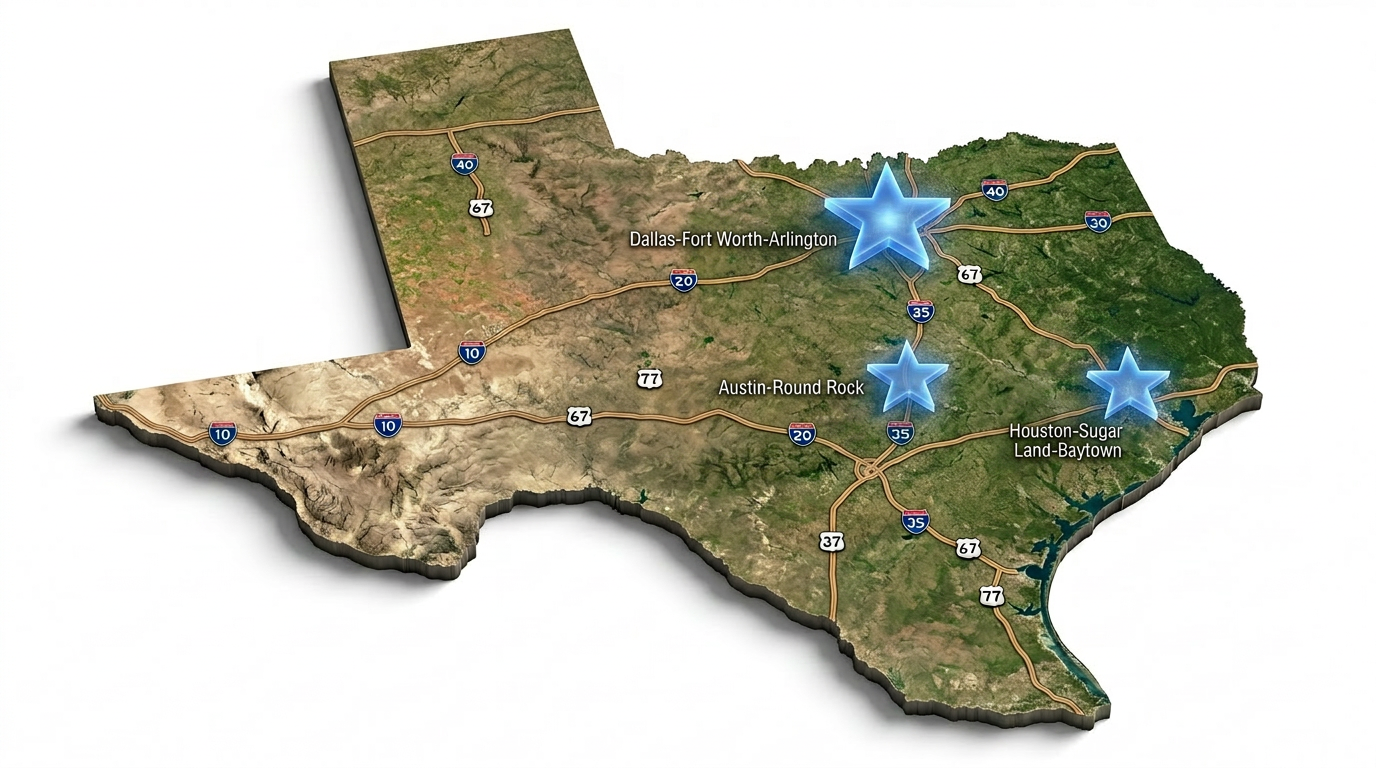
We serve clients across the DFW Metroplex, Houston, Austin, and statewide.
Dallas: 16610 Dallas Parkway, Suite 1000, Dallas, TX 75248 • 972-248-8080
Houston: 1201 Fannin Street, Suite 262, Houston, TX 77002 • 713-830-2207
Austin: 111 Congress Ave., Suite 500, Austin, TX 78704 • 512-691-4100






Have an idea for a blog? Click and request a blog and we will let you know when we post it!