

Preservation & Document Retention Efforts During Litigation
John Wilson • April 28, 2020
Spoliation of Evidence Violates Duty To Preserve Relevant & Material Evidence
While a litigant is under no duty to keep or retain every document in its possession once a complaint is filed, it is under a duty to i) preserve what it knows, or reasonably should know, is relevant in the action; ii) is reasonably calculated to lead to the discovery of admissible evidence; iii) is reasonably likely to be requested during discovery, and/or iv) is the subject of a pending discovery request. Computer Assoc. Int'l, Inc. v. Am. Fundware, Inc., 133 F.R.D. 166, 169 (D. Colo. 1990) (citing Wm. T. Thompson Co. v. Gen. Nutrition Corp., 593 F.Supp 1443, 1455 (C.D. Cal. 1984) (finding that developer's duty to preserve source code arose no later than the time it was served with complaint). It is generally accepted that the obligation to preserve relevant evidence attaches at the time the complaint is filed, a preservation order clarifies the nature and extent of a company’s duty to preserve.
What Is Spoliation?
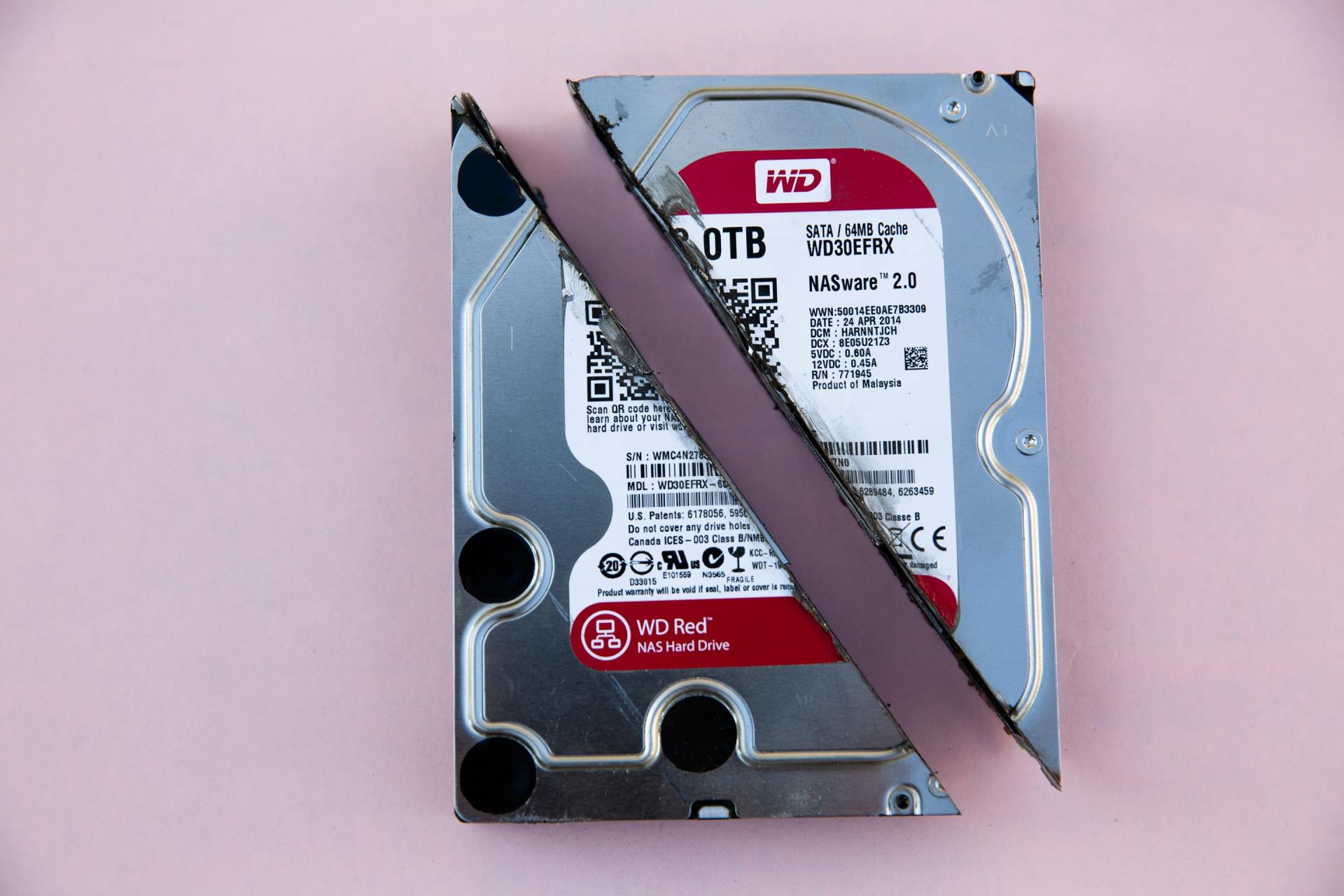
Spoliation occurs when a party owes a duty to preserve relevant and material evidence but then chooses to breach that duty by failing to exercise reasonable care to preserve the evidence (e.g. deletes relevant e-mails, source code or documents). Common types of evidence in spoliation disputes are electronically-stored information (ESI), vehicle maintenance records, date files, construction site damage, malfunctioning equipment, medical notes, social media posts, and online information.
Important Considerations For Determining Reasonable Efforts To Preserve Evidence
Whether a company has been “reasonable” in its preservation efforts is determined on a case-by-case basis in view of the specific facts therein; however, case law may be instructive on certain issues. While the following list is not exhaustive, it contains important considerations for any litigant as it moves forward with preservation efforts:
- Corporation must present coordinated approach to document retention, especially with regards to documents potentially relevant to litigation. U.S. v. Koch Industries, Inc., 1998 WL 1744497 (N.D. Okla 1998).
- Senior management must determine which computer tapes in tape library contained information relevant to imminent and ongoing litigation, and must communicate clear guidelines regarding preservation of the information to data processing personnel and computer tape librarian. Kotch, id.
- Obligation to preserve documents that were potentially discoverable materials was affirmative one that rested squarely on shoulders of senior corporate officers. In re the Prudential Insurance Company of America Sales Practices Litigation, 169 F.R.D. 598 (D.N.J. 1997).
- Corporation should provide hot line for employee questions relating to document retention/discovery. Prudential, id.
- Corporation should provide periodic written (non electronic) reminders of duty to preserve. Prudential, id.
- During oversight and implementation the corporation should not use a lay person to spearhead the effort. Metropolitan Opera Assoc., Inc. v. Local 100, 2003 WL 186645 (S.D.N.Y. Jan. 28, 2003).
- The corporation must prepare and utilize a document destruction index. Prudential, supra.
- Distribution via email may not be sufficient, especially if all employees do not have access. Prudential, supra.
- The Eighth Circuit has set out three additional considerations in the case of destruction of records carried out under a document retention policy. This is not a three-part test where each factor must be met, but rather three factors to be considered in determining whether sanctions should be imposed. First, was the document retention policy "reasonable considering the facts and circumstances surrounding the relevant documents?" Second, did the litigant know, or should it have known, that the documents would become material and, thus, should be preserved? Finally, was the policy instituted in bad faith? Lewy v. Remington Arms Co. 836 F.2d 1104 (8th Cir. 1988).
- All hard drives which are “likely” to have relevant information stored on it should be preserved. Playboy Enters., Inc. v. Welles, 60 F.Supp.2d 1050 (S.D. Cal. 1999).
- Preserve all corporate e-mail communications during the pendency of the lawsuit for key employees. Procter & Gamble Co. v. Haugen, 179 F.R.D. 622 (D. Utah 1998).
Sanctions Imposed For Spoliation And Failure To Preserve Relevant Materials
In the event a litigant has failed to preserve relevant materials, or otherwise destroyed or lost relevant discoverable evidence, a court can impose a variety of punitive sanctions related to such loss of important case materials. However, all sanctions imposed must be proportional, that is, they must relate directly to the conduct giving rise to the sanction and may not be excessive in light of such violation. Most courts will consider the level of culpability of the spoliator and the degree of prejudice to the opposing party. Sanctions can include, but may not be limited to, the following:
- a contempt order;
- exclusion of the evidence;
- an order prohibiting further discovery by the spoliator;
- an order designating certain facts established;
- a jury instruction prejudicial to the spoliator;
- dismissal of the spoliators case;
- striking spoliators pleadings;
- a default judgment; and
- award of attorney’s fees and/or costs.

Learn how two marketing text messages triggered potential $9,000 in TCPA and Texas TBCC (Mini-TCPA) liability. Wilson Whitaker Rynell shares key lessons, damages, defenses, and essential compliance tips for Texas businesses.

Get IP protection, business litigation, family law and estate planning from one Texas law firm. Wilson Whitaker Rynell offers coverage in Dallas, Houston & Austin.

Texas federal courts can only exercise personal jurisdiction over out-of-state defendants in federal question cases if the Texas long-arm statute and constitutional due process are satisfied. Wilson Whitaker Rynell breaks down minimum contacts, the Zippo sliding-scale test for websites, the Calder effects test, and wha

Discover how to protect your Graphical User Interface with design patents in 2026. This complete guide for SaaS founders covers the latest USPTO guidance, step-by-step filing process, costs, and strategies to safeguard your app’s unique look and feel.

Learn how to file for divorce in Dallas County, Texas in 2026. Step-by-step guide from board-certified Dallas divorce lawyers covering custody, property division, costs & more.

Learn the serious risks of using AI tools like ChatGPT for your Texas legal matter. Wilson Legal Group explains how AI can destroy attorney-client privilege, provide inaccurate advice, and make your information discoverable.

Adverse possession in Texas allows a person who has continuously occupied land without permission for years to potentially claim legal title. An experienced Texas real estate attorney can help.

Defending Texas businesses against TCPA lawsuits involving unauthorized marketing texts, ATDS calls, and Do Not Call violations. Compliance tips from Wilson Whitaker Rynell.

Software companies increasingly prohibit AI agents and automation in licenses. Explore the 2026 trend, key EULA clauses, and compliance strategies to avoid breaches.
The Wilson Legal Group are Dallas attorneys that specializes in Patents, Trademarks, Copyrights, Trade Secrets, Complex Litigation, Business/Corporate Law, Family Law and Real Estate Law. At the Wilson Legal Group, our clients are our focus. Our philosophy is simple and straight-forward: Understand our clients' needs, hopes, and interests in order to help them flourish. Our staff strives to build strong relationships with our clients in order to appreciate their best interests and help them achieve their goals.
Have an idea for a blog? Click and request a blog and we will let you know when we post it!