


Business Partnerships: A Good Idea or A Trap for the Unwary?
Navigating Texas Partnership Laws: Key Considerations and Legal Guidance
Exploring Side Gigs and Partnerships in Texas
In this current financial climate where many are feeling the pinch of rising costs everywhere, have you ever considered a “side gig” or a “side hustle” to supplement your income? Have you ever decided with a friend or family member to sell items and/or services together?
“Together” is the key! As soon as you decide to begin selling goods and/or services for profit, you have likely created a partnership under Texas law that is automatically subject to certain rules and regulations. You do not have to intend to create a formal, legal partnership or sign/file any documents with the state for the Texas default rules to apply. See Texas Business Organizations Code Sec. 152.051(b)(1).
It starts out so well… you are the best of friends… the closest of siblings or relatives. But suddenly a dispute of some kind arises between you, relating to the business or not. You find yourself in a situation where you don’t want to be in business together anymore. What happens to the business if you cannot agree amongst yourselves? You may need to retain the services of an attorney to assist you in unraveling the mess.
Identifying a Partnership Under Texas Law
In resolving business disputes for informally created businesses, the question will likely arise: Have you created a “partnership” that is governed by Texas law? There is a list of factors that determine whether you have created a partnership with your business partner. The factors that will be analyzed in determining whether you and another person or persons have created a partnership will depend on the answers to the following questions, for example:
- Have you received a share of the profits of the business?
Receiving a share of the profits is a strong indicator of partnership. It suggests that you are entitled to a portion of the net earnings of the business, which is a key characteristic of a partnership.
- Do you have a right to receive a share of the profits of the business?
Even if you haven't yet received profits, having the right to receive them in the future is significant. It can reflect an agreement or understanding that your efforts, investments, or involvement in the business entitles you to future profits.
- Did you express an intent to the other person(s) to be partners in the business?
Expressing intent to be partners is crucial in establishing a partnership. This can be verbal, written, or implied through actions. Clear communication IN WRITING of this intent – or lack thereof - helps avoid misunderstandings later.
- Have you participated in control of the business?
Participation in control refers to being involved in decision-making processes and operational or management activities. This includes actually making decisions regarding business operations, strategies, policies or actively running the business.
- Do you have a right to participate in the control of the business?
Having the right to participate in control, even if you choose not to exercise it regularly or even at all, can signify a partnership. If you have the right to participate in decision-making, you can be found to be a partner, sharing in both the benefits and responsibilities of running the business.
- Do you have an agreement to share or are you sharing losses and liabilities of the business?
Sharing losses and liabilities is a critical aspect of partnerships. It demonstrates a willingness to bear financial risks alongside the potential rewards. This can manifest in many ways, including for example co-signing on a lease agreement for the space in which a business operates or jointly signing for a loan or line of credit relating to the business.
- Have you contributed money or property to the business? Or have you agreed to?
Contributing money or property shows you have a vested interest in and have made a financial commitment to the business. It is an important factor in showing that you are working with another party toward a common goal.
Should you find yourself needing the assistance of an attorney in the creation of a business or in the resolution of a dispute, we would be happy to consult with you on possible representation.
If you get to the point where you are debating whether the above factors apply to your current situation, you may be in a legal dispute or a lawsuit!
Types of Evidence in Partnership Disputes
In addition to the factors above, documents and evidence that may be reviewed in analyzing whether a partnership exists can include simple, everyday communications such as:
- Text messages
Text messages can serve as crucial evidence of partnership. They often contain informal conversations where parties may discuss business plans, share profits, divide responsibilities, or make decisions together. Reviewing text messages can reveal:
- Discussions about profit-sharing arrangements: Indicating financial agreements typical of partnerships.
- Decision-making processes: Showing collaborative control over business operations.
- Expressions of intent: Direct statements about being partners or working together.
- Emails
Emails provide a more formalized record of communication. They can include detailed discussions on business strategies, financial agreements, and operational plans. Key points to look for in emails include:
- Agreements on business terms: Such as contracts, profit-sharing, or liability distribution.
- Evidence of contributions: Discussions about investing money or property into the business.
- Intent and acknowledgment: Clear expressions of intent to form a partnership or references to each other as partners.
- Communications exchanged on social media messaging applications
Social media messaging applications (e.g., WhatsApp, Facebook Messenger) often blend personal and professional communication. These messages can show:
- Informal agreements: Casual discussions that still reveal partnership dynamics.
- Collaborative efforts: Planning and executing business activities together.
- Social proofs: Comments and reactions that may confirm the business relationship to external parties.
- Social media posts
Posts on platforms like Facebook, Twitter, LinkedIn, or Instagram can provide public-facing evidence of a partnership. This includes:
- Announcements: Public declarations about starting or running a business together.
- Tagging and mentions: Associating each other in business-related posts.
- Engagements: Interactions on posts that involve business activities, indicating a shared venture.
- Testimony of people who may have overheard conversations between you and your business “partner.”
The testimony of people who may have overheard conversations or observed interactions between you and your business "partner" can be compelling evidence. This can include:
- Direct observations: Witnesses recounting discussions about forming or running a business together.
- Behavioral evidence: Descriptions of how the parties interacted, shared responsibilities, or presented themselves as partners.
- Third-party validations: Testimonies that corroborate the existence of a partnership through observed actions and statements.
Key Lessons for Business Relationships
The lessons I have learned as a business law attorney from years of handling business disputes are that:
- From the BEGINNING of any business relationship between you and another person/group, you must take into consideration any laws that may apply to your situation;
- The business relationship should be properly documented to reflect the understandings of the parties involved and how any possible future disputes will be handled and resolved; and
- Obtaining the advice and guidance of an attorney on these matters at the outset of starting a business is much less expensive than if you find yourself in a dispute or lawsuit later.
Texas Partnership Law Attorneys
Should you find yourself needing the assistance of an partnership attorney in the creation of a business or in the resolution of a dispute, we would be happy to consult with you on possible representation.
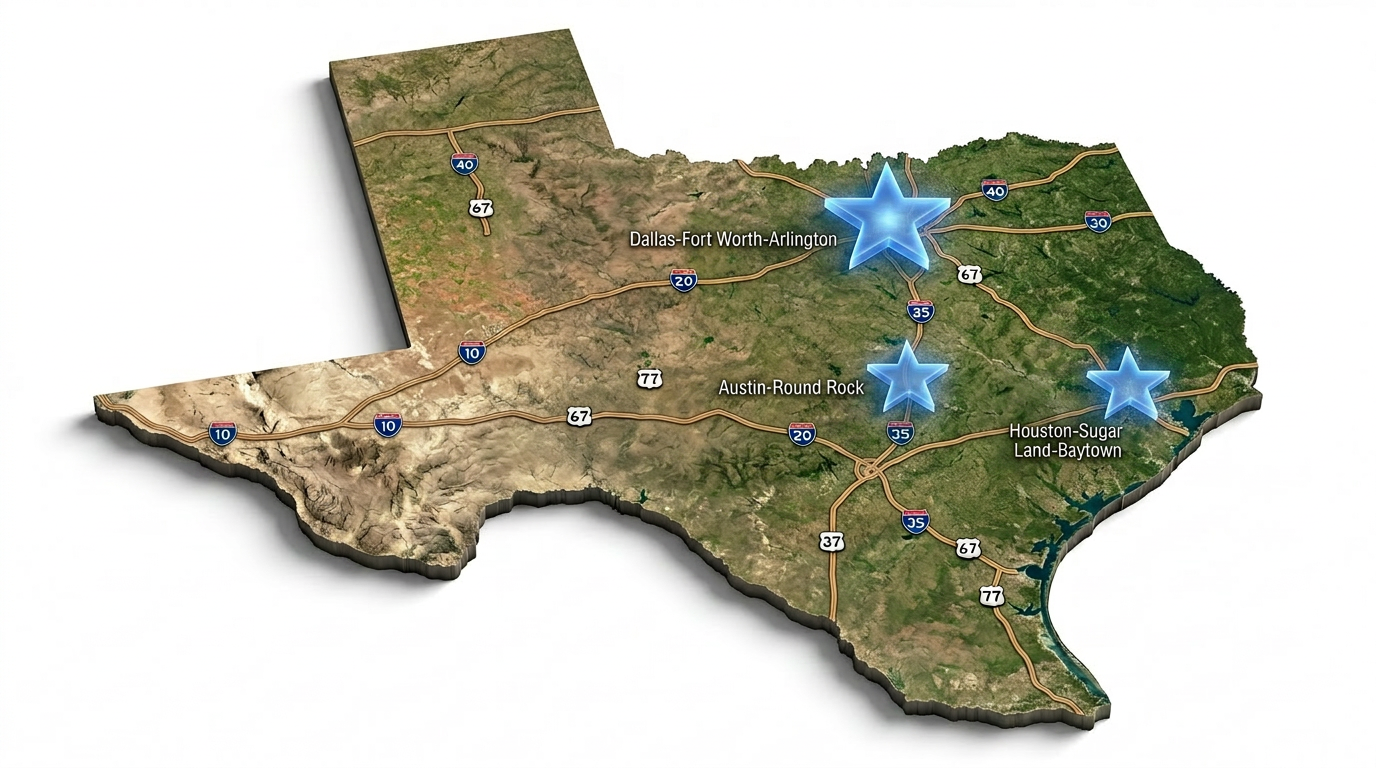
Wilson Whitaker Rynell assists clients in Dallas, Houston, Austin, and the rest of Texas in helping businesses and individuals create and litigate partnerships. We have successfully helped clients in Plano, Frisco, Addison, Richardson, Fort Worth, Irving, Carrollton, Taylor, Dallas County, Denton County, Collin County protect and form their partnerships.
Contact Us or Call 972-248-8080 for a Free Consultation!







Have an idea for a blog? Click and request a blog and we will let you know when we post it!